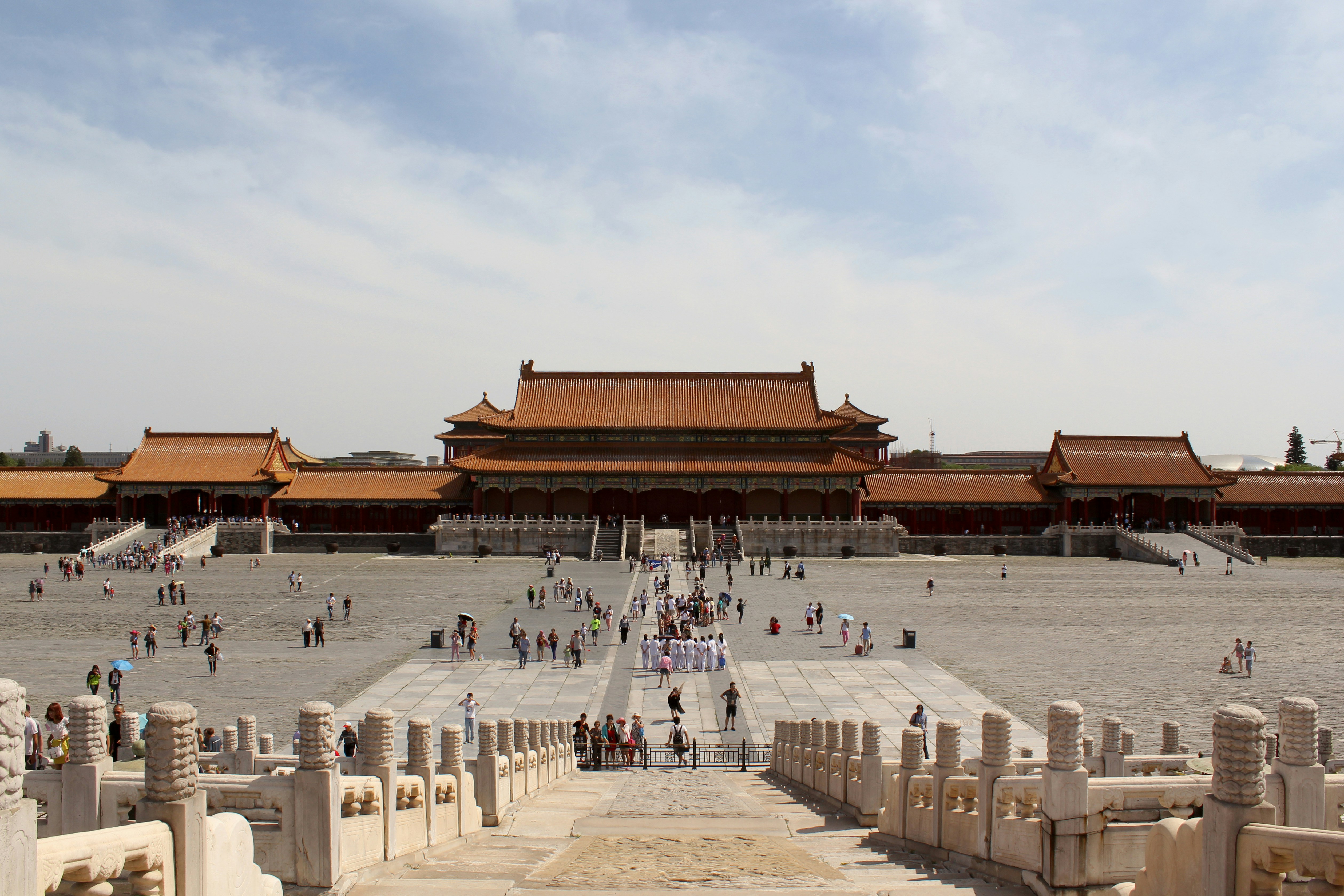
Introduction to Beijing
Beijing, the capital of China, stands as a remarkable testament to the nation’s rich tapestry of history, culture, and modern advancement. With a history spanning over 3,000 years, this bustling metropolis has served not only as a political hub but also as a cradle of Chinese civilization. The city has been the setting for numerous historical events that have shaped the course of China’s development, making it an intriguing destination for both local and international visitors.
Beijing’s historical significance is most evident in its architecture and cultural landmarks. Notable sites, such as the Forbidden City and the Temple of Heaven, reflect the grandeur of imperial China, showcasing intricate designs and historical artifacts that convey the importance of the city in shaping Chinese identity. These venerable sites are complemented by vibrant neighborhoods, traditional hutongs, and modern developments, illustrating the seamless blend of ancient and contemporary elements that characterize the city’s landscape.
In recent decades, Beijing has undergone significant transformations, positioning itself as a global city with outstanding development in various sectors, including technology, education, and finance. The rapid urbanization has attracted businesses and expatriates alike, contributing to Beijing’s role as a pivotal player on the world stage. This modern development coexists alongside a commitment to preserving cultural heritage, ensuring that visitors can appreciate both the rich past and dynamic present of the city.
Moreover, Beijing’s relevance extends beyond its borders, acting as a vital center for international diplomacy, commerce, and tourism. The city regularly hosts significant global events, fostering cross-cultural exchanges that enhance its role as a meeting point for diverse cultures. Whether exploring ancient temples or engaging with the fast-paced urban life, Beijing offers an enriching experience that appeals to all visitors.
Famous Landmarks and Attractions
Beijing, the capital of China, is renowned for its rich history and remarkable landmarks that showcase the depth of its cultural heritage. One of the most iconic attractions is the Great Wall of China, a monumental feat of engineering that stretches across northern China. Visitors can explore various sections, such as Badaling and Mutianyu, each offering unique views and experiences, from scenic hiking trails to cable car rides. The Great Wall symbolizes China’s historical strength and determination, making it a must-visit destination.
Another significant landmark is the Forbidden City, which served as the imperial palace for 24 emperors over nearly 500 years. This UNESCO World Heritage Site reflects the grand architecture of traditional Chinese palatial design and is home to an extensive collection of artifacts. Visitors can wander through its stunning courtyards and halls, witnessing the intricate details that tell stories of China’s dynastic history. Guided tours offer insights into the imperial life, making it a profound educational experience.
Additionally, Tiananmen Square, located in the heart of Beijing, is steeped in history and is recognized as one of the largest public squares in the world. It is the site of numerous significant events, including the 1949 establishment of the People’s Republic of China. Tourists can admire the iconic Tiananmen Gate and the Monument to the People’s Heroes, symbolizing the collective memory of the nation.
Lastly, the Summer Palace stands as a masterpiece of Chinese landscape garden design. This vast ensemble of lakes, gardens, and palaces was favored by emperors for leisure retreats. Visitors can enjoy leisurely boat rides on Kunming Lake or stroll through the beautifully landscaped gardens, all while taking in the picturesque views of the surrounding hills. The Summer Palace represents another facet of Beijing’s cultural history, emphasizing harmony between nature and architecture. Each of these landmarks provides a distinct perspective on Beijing’s historical significance, enriching the overall experience for any traveler.
Cultural Experiences in Beijing
Beijing, the capital of China, is a vibrant city teeming with rich cultural experiences that reflect its historic depth and modern significance. A visit to this bustling metropolis offers travelers a unique opportunity to immerse themselves in traditional Chinese art forms, such as Peking opera. This theatrical performance is characterized by its elaborate costumes, distinct vocal styles, and the intricate movements of the actors. Attending a Peking opera show provides insight into the storytelling traditions of China and allows one to appreciate the fusion of music, drama, and acrobatics that define this art form.
Another cultural highlight of Beijing is its renowned culinary scene, particularly the iconic Peking duck. This delicious dish, featuring crispy skin and tender meat, holds a special place in Chinese gastronomy. Visitors can indulge in this culinary delight at various restaurants throughout the city, with a multitude of establishments offering their own signature preparation methods. The experience of savoring Peking duck while engaging with locals enhances the overall travel experience in Beijing, as food often serves as a means to explore cultural identity and regional differences.
Beijing is also home to a wide range of festivals that celebrate its rich traditions and heritage. Events such as the Chinese New Year, the Lantern Festival, and the Mid-Autumn Festival are filled with vibrant performances, traditional dances, and delectable street food stalls. These festivities not only showcase local customs but also provide an excellent opportunity for tourists to witness the communal spirit that defines the city. Engaging with these events allows travelers to connect with the essence of Beijing’s culture, creating lasting memories that transcend mere sightseeing.
In conclusion, Beijing offers an array of cultural experiences that are integral to understanding its character. From Peking opera to culinary delights and festive celebrations, each aspect invites travelers to engage with the city’s rich heritage, ensuring a memorable visit to China’s capital.
Transportation Options from Europe and the USA
For travelers making their way to China Beijing, there are several transportation options available from both Europe and the USA. The most common and efficient method for long-distance travel is via air. Major airlines such as Air China, United Airlines, British Airways, and Lufthansa operate direct flights that connect various European and American cities to Beijing Capital International Airport. Flight durations vary significantly depending on the departure location. For example, a flight from London typically takes around 10 hours, while a journey from New York may take approximately 14 hours when directly connecting to Beijing.
In addition to direct flights, there are numerous connecting flights that offer flexible travel options. Passengers may find transfers in cities like Frankfurt, Tokyo, or Hong Kong, which can potentially offer lower fares or more convenient flight times. It is advisable for travelers to check on flight availability, as this can change seasonally and may vary due to the travel demand.
For those preferring overland travel, it is important to note that train and bus services connecting to China Beijing are not practical for transcontinental trips from Europe or the USA. However, once within the region, a well-established rail network allows for travel between nearby cities and rural areas of China, including high-speed rail options. High-speed trains can provide a comfortable and quick way to explore China’s vast landscape from Beijing.
In conclusion, whether traveling by air from Europe or the USA, visitors will find numerous options to reach China Beijing. Direct flights alongside connecting options facilitate access to the capital, while subsequent travel within China continues to enhance the overall travel experience.
Navigating Beijing’s Transportation System
Upon arrival in Beijing, travelers are often greeted by an extensive and efficient transportation system that makes navigating the city both convenient and beneficial. The public transit framework consists of several modes, primarily subways, buses, and taxis, each offering their own advantages. For those unfamiliar with the layout, utilizing the subway system is a reliable option, known for its speed and coverage throughout the city. With numerous lines connecting key areas, riders can easily access landmarks, business districts, and residential neighborhoods. The subway is generally the most efficient way to travel, particularly during peak hours when road congestion is prevalent.
Beijing’s buses also serve a vital role in the public transportation network. With numerous routes operating across various parts of the city, buses can provide a more direct avenue to specific destinations. However, it is important to note that the language barrier might pose challenges, as most information is presented in Chinese. Travelers may benefit from mobile apps or mapping services that offer translations and real-time updates to facilitate their journey. Additionally, using a preloaded transportation card can streamline bus travel, reducing the need for cash transactions.
Taxis offer flexibility and comfort, especially when traveling in a group or during inclement weather. While the meters accurately reflect fares, it is advisable to have a destination written in Chinese to avoid any miscommunication with drivers. The rideshare apps also have made significant inroads in Beijing’s transportation landscape, providing a modern and user-friendly alternative to traditional taxis. Understanding how to navigate these options efficiently can significantly enhance one’s experience in the city. In conclusion, mastering Beijing’s transportation system is essential for making the most of your visit to this vibrant capital of China.
Currency and Cost of Living in Beijing
Beijing, the capital of China, utilizes the Renminbi (RMB) as its official currency. The Renminbi is subdivided into smaller units called jiao and fen. Travelers will often encounter various forms of the currency, including banknotes and coins, with the banknotes typically being the most used. As of October 2023, the exchange rates are fluid, but a general benchmark places the value of 1 Euro at approximately 7.5 RMB and 1 US Dollar at about 6.5 RMB. It is advisable for visitors to check current rates and consider using a currency converter app to ensure accurate financial planning while in Beijing.
When navigating finances in this vibrant city, it is essential to be mindful of a few tips. Credit and debit cards are widely accepted in most establishments, including hotels and restaurants, particularly in more tourist-heavy areas. However, it’s prudent to always have some cash on hand for smaller shops and local markets. ATMs are readily available and function with most international cards, but travelers should be aware of potential transaction fees.
The cost of living in Beijing can vary significantly depending on lifestyle and personal choices. For budget travelers, meals at local eateries may range from 20 to 50 RMB, while mid-range dining can cost between 100 to 300 RMB per person. Accommodation prices also vary: hostels start around 100 RMB per night, while hotels can range from 400 RMB for budget options to over 2,000 RMB for luxury experiences. Attractions such as the Forbidden City or the Great Wall typically charge entry fees from 40 to 100 RMB. Understanding these costs can help travelers manage their finances effectively and enjoy all that Beijing has to offer.
Best Times to Visit Beijing
Beijing, the capital of China, showcases a distinct climate that varies across the seasons, making it essential for travelers to consider weather conditions when planning a visit. The city experiences a humid continental climate, characterized by four distinct seasons. The temperature fluctuations can be quite dramatic, particularly between summer and winter.
The best time to visit Beijing is during the spring months of March to May and the fall months of September to November. During these times, the weather is typically mild, with comfortable temperatures ranging from 15 to 25 degrees Celsius. Spring is especially delightful, as the city blooms with vibrant flowers, and popular sites like the Summer Palace and the Great Wall of China become even more picturesque. Likewise, autumn offers stunning fall foliage, making it an ideal backdrop for outdoor excursions.
However, travelers should be aware of the summer months from June to August, when Beijing experiences high temperatures, averaging between 25 to 35 degrees Celsius. Though the heat can be uncomfortable, this season is perfect for enjoying numerous cultural festivals and events, such as the Beijing Music Festival. Additionally, families often visit during this period, coinciding with school holidays. It is essential to book accommodations and tickets well in advance during peak tourist seasons.
Another aspect to consider is the winter months of December to February. While temperatures can drop significantly, often reaching below zero degrees Celsius, winter also brings a unique charm to Beijing. This season provides visitors the opportunity to experience traditional Chinese New Year celebrations and explore the city without the heavy tourist crowds.
In conclusion, when planning a trip to Beijing, the timing can greatly influence the overall travel experience. Taking into account the weather, local festivities, and peak tourist seasons will enable travelers to make the most of their journey to China’s magnificent capital.
Travel Tips for Visiting Beijing
Visiting Beijing, the capital city of China, can be an exhilarating yet daunting experience for first-time travelers. To help make your journey enjoyable and stress-free, it is essential to prepare adequately and understand the unique aspects of this vibrant metropolis.
One of the primary considerations when traveling to Beijing is the language barrier. While many signs in tourist areas are displayed in both Chinese and English, not all locals are fluent in English. Thus, learning a few basic Mandarin phrases can greatly enhance your interaction with residents. Consider downloading a translation app on your smartphone to help communicate effectively during your stay. Furthermore, having a virtual or physical map that highlights key attractions can aid in navigating the city.
As with any international travel, understanding local etiquette is crucial. In Beijing, it is customary to greet people with a nod or a slight bow rather than a handshake. Be mindful of your manners when dining, such as waiting for the host to begin the meal and expressing gratitude after your meal. Additionally, using both hands when handing over or receiving items, such as business cards or gifts, is considered respectful.
Regarding safety, Beijing is generally a safe destination for tourists. However, standard precautions apply. Keep your belongings secure, avoid displaying valuables in public, and be aware of your surroundings, especially in crowded places. Using reputable transportation options, such as registered taxis or ride-hailing apps, can ensure smooth travel through the city.
When packing for your trip to Beijing, consider bringing comfortable walking shoes as many of the city’s attractions require extensive walking. It is also advisable to pack lightweight clothing in the summer, but don’t forget a light jacket for cooler evenings. If you plan to visit religious sites or temples, ensure you have appropriate attire that covers your shoulders and knees.
Planning your visit with these practical tips in mind will significantly enhance your experience in Beijing, allowing you to focus on enjoying the city’s rich culture and history.
Conclusion: Embracing the Spirit of Beijing
Visiting Beijing, the vibrant capital of China, is an experience that transcends mere tourism; it is an exploration of a rich cultural tapestry woven from centuries of history and modernity. From the iconic structures of the Forbidden City and the Great Wall to the bustling streets of Wangfujing, each corner of Beijing tells its own story. This remarkable city harmoniously balances its ancient heritage with contemporary influences, inviting travelers to discover the layers that define it.
While traversing the narrow alleys of the Hutongs, visitors can witness the daily lives of locals and immerse themselves in the warm spirit of Beijing. The elaborate festivals and the exquisite traditional cuisine further enrich the experience, showcasing local customs and flavors found nowhere else in the world. Enjoying a bowl of Peking duck or sampling street food from vendors provides a glimpse into the city’s culinary prowess, making it an essential part of any visit.
Moreover, the vibrancy of Beijing extends beyond its historical landmarks; the modern architecture, such as the Birds Nest Stadium and the National Centre for the Performing Arts, highlights the city’s ambition and creativity. This blend of the old and the new fosters a unique atmosphere, making Beijing a place of endless exploration. Overall, the capital’s dynamism creates an exhilarating environment that captivates both first-time travelers and seasoned visitors alike.
In summary, embracing the spirit of Beijing means appreciating its unique combination of tradition and progress. Whether wandering through ancient palaces or enjoying contemporary art exhibits, visitors are encouraged to delve deeper into what makes this city a quintessential destination in China. Embrace the spirit of Beijing and allow it to leave a lasting impression that echoes long after your visit has ended.

The PakSoil News Team is a dedicated group of journalists, editors, and analysts committed to delivering accurate, timely, and balanced news coverage. From politics and business to culture and community, we bring you stories that matter — verified, unbiased, and written with integrity.