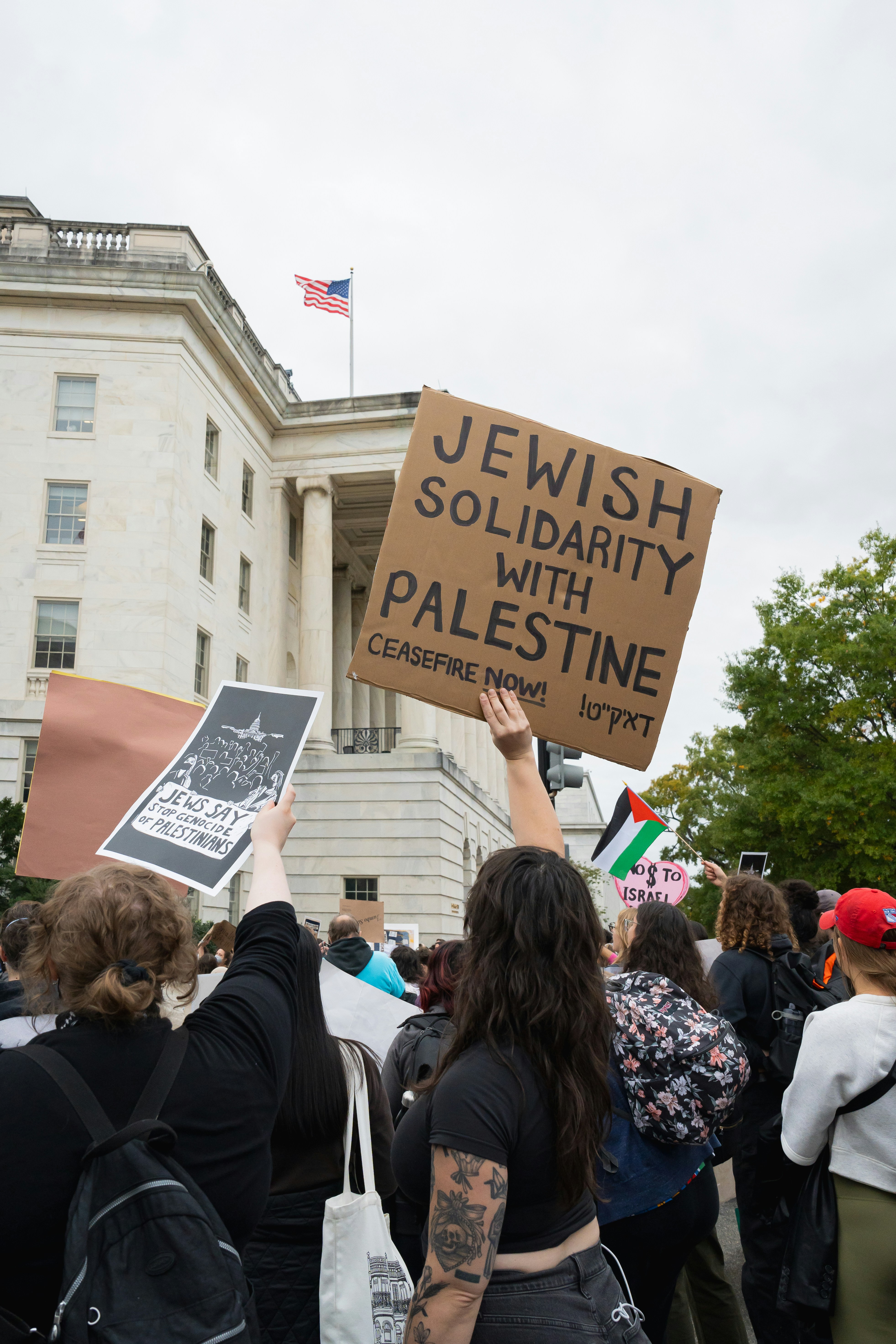
Introduction to the Current Crisis
The ongoing conflict in the Middle East has escalated dramatically in recent months, primarily involving tensions among Iran, Israel, and Lebanon. Historically, this region has been a hotspot of geopolitical strife, influenced by a myriad of factors, including religious differences, territorial disputes, and foreign intervention. The recent surge in hostilities, particularly between Iranian-backed groups and Israeli forces, has raised alarms regarding the potential for a broader conflict that could destabilize not only the immediate area but also have significant implications for global peace.
Iran’s role has become increasingly pivotal, as it extends its influence through various proxy groups in Lebanon and other parts of the region. The Lebanese militant group Hezbollah, for instance, has been emboldened by Iranian support, engaging in provocations and military skirmishes with Israel. This situation poses a considerable threat to Israeli security, prompting the need for a robust defense strategy and a reassessment of its diplomatic engagement with regional powers.
The ramifications of this conflict extend far beyond the borders of these nations. The international community observes closely, as heightened tensions could disrupt oil supplies, trigger humanitarian crises, and lead to a wave of refugees seeking asylum in neighboring countries. Moreover, global powers are concerned about the resurgence of violence, which may necessitate a reevaluation of their foreign policy strategies in the Middle East.
As the conflict unfolds, diplomatic negotiations are increasingly crucial in preventing a larger scale war. Understanding the dynamics at play is essential for all stakeholders involved, whose decisions will arbitrarily influence the future of regional stability and international relations. The urgent need for effective diplomacy has never been more apparent in the pursuit of peace in this volatile region.
The Role of the U.S. Vice President
The role of the U.S. Vice President has evolved significantly, particularly in the realm of international relations and diplomacy. In times of heightened tensions, such as those currently observed in the Middle East, the Vice President often acts as a key negotiator and representative of U.S. interests abroad. In this context, the recent visit to Islamabad underscores the importance of the Vice President’s diplomatic engagements.
During this trip, the mission’s primary objectives encompassed fostering bilateral relations, addressing specific regional conflicts, and promoting stability in an increasingly volatile geopolitical landscape. The U.S. Vice President aimed to reinforce the United States’ commitment to peace and cooperation, particularly in light of ongoing tensions among various Middle Eastern nations. By engaging in direct dialogues with Pakistani officials, the Vice President sought to navigate complex alliances and rivalries that characterize the region.
Furthermore, this visit illustrates the strategic significance of Pakistan within the broader framework of U.S. foreign policy. As a pivotal player in the region, Pakistan’s cooperation is vital for U.S. efforts in counterterrorism, economic growth, and regional security. The Vice President’s diplomatic overtures are not only aimed at strengthening U.S.-Pakistan relations but also at fostering a collaborative environment that can contribute to stabilizing the Middle East.
In the geopolitical context, the Vice President’s negotiations also reflect an acknowledgement of the multifaceted nature of diplomacy, where the U.S. must balance its interests with those of other nations in the region. This delicate balancing act is essential in cultivating constructive relationships while ensuring the United States maintains a significant role in the evolving geopolitical dynamics of the Middle East.
Iran’s Stance on the Israel-Lebanon Conflict
Iran’s position regarding the escalating tensions between Israel and Lebanon is rooted in its broader strategic interests in the Middle East. As a significant regional power, Iran views itself as a defender of the Palestinian cause and a supporter of Hezbollah, the Lebanese militant group. The Iranian government has demanded that Israel immediately cease its military offensive in Lebanon as a precondition for engaging in any peace talks. This insistence underscores Iran’s commitment to maintaining its influence over Lebanese politics and its relationship with Hezbollah.
By advocating for a halt to Israeli operations, Iran aims to bolster its credibility and consolidate its role as a key player in the region. This move is also reflective of Iran’s longstanding goal to support resistance movements against Israel, which it perceives as a central adversary in the pursuit of regional dominance. Moreover, Iran’s call for negotiations to only begin once Israel withdraws highlights its strategy of leveraging military and political pressure in favor of its allies in the region.
Furthermore, Iran’s demands may complicate the negotiation dynamics involving other nations such as the United States and Saudi Arabia. As these stakeholders work toward a resolution, Iran’s positioning could hinder prospects for dialogue, especially if its terms are deemed unacceptable by other parties involved. The interplay between Iran’s demands and the critical interests of both Israel and Lebanon is likely to shape the framework of any future discussions.
In conclusion, Iran’s insistence on a cessation of Israeli military actions as a prerequisite for peace talks illustrates its strategic calculations and desire to influence outcomes in favor of its regional allies. The implications of this stance extend beyond the immediate conflict, impacting the broader geopolitical landscape in the Middle East.
JD Vance’s Warnings to Iran
U.S. Senator JD Vance has recently made notable statements regarding Iran’s role in the ongoing negotiations concerning Middle Eastern tensions. His warnings underscore the potential pitfalls of allowing Iran to exploit diplomatic channels to further its own agenda. Vance’s perspective highlights a growing concern among U.S. lawmakers about Iran’s history of manipulation and deceit in international negotiations. His comments resonate particularly in light of ongoing discussions surrounding nuclear agreements, regional security, and the overall stability of the Middle East.
The essence of Senator Vance’s warning is a call to vigilance and a rejection of any attempts by Iran to use negotiation as a veil for its destabilizing activities. He argues that the U.S. must remain cautious and not fall prey to Iran’s adeptness at diplomatic maneuvering. Vance emphasizes that a successful U.S.-Iran negotiation should prioritize American security interests and the safety of its allies in the region. The senator advocates for a robust strategy that includes a mixture of diplomatic pressure and the readiness to respond to any provocative actions by Iran.
Moreover, these warnings reflect broader implications for U.S.-Iran relations, which have been characterized by cycles of tension and tentative engagement. Vance’s statements may influence the Biden Administration’s approach as negotiators seek to balance diplomacy with an assertive stance against Iran’s actions. As the U.S. navigates these complex relations, Vance’s cautions serve as a reminder of the necessity for a coherent and strategic diplomatic policy that not only aims for de-escalation but also safeguards national interests against potential Iranian recalcitrance.
The Scheduled Talks in Islamabad
The upcoming talks in Islamabad represent a pivotal moment for diplomatic efforts aimed at addressing ongoing tensions in the Middle East. Scheduled to take place next week, these discussions will involve key representatives from various nations, including the United States, Pakistan, and other regional powers. The primary objective is to foster a cooperative atmosphere that encourages dialogue and understanding among conflicting parties in the region.
Participants in the talks are expected to include U.S. Vice President, senior officials from the Pakistani government, and foreign ministers from neighboring countries directly affected by the prevailing situation. The engagement of such high-level officials underscores the seriousness of the discussions and the urgency for effective diplomatic interventions. Each participating nation aims to present its perspectives while also maintaining openness to collaborative solutions that could potentially ease geographical tensions.
One of the anticipated outcomes of these talks is the establishment of a framework for sustained dialogue, which could address the underlying factors contributing to instability. This framework is intended to facilitate future negotiations, enable confidence-building measures, and set a course towards lasting peace in the region. Additionally, the alignment of international support for these efforts could bolster the effectiveness of any resultant agreements.
The importance of the Islamabad talks transcends mere diplomatic formality; they represent a concerted effort to navigate the complex geopolitical landscape of the Middle East. With numerous challenges, such as humanitarian crises and economic instabilities, the outcomes of these discussions have the potential to influence broader international relations and security considerations. As such, the eyes of the global community will be closely watching the developments during these crucial days in Islamabad.
Lebanon and Israel’s Response
The recent escalation in tensions between Lebanon and Israel has prompted significant diplomatic efforts, with both nations agreeing to meet in Washington D.C. for a series of ceasefire discussions. This meeting marks an important step in the ongoing dialogue aimed at de-escalating the conflict in the region. The decision to engage in talks highlights a willingness from both sides to pursue peace, with a particular emphasis on addressing the underlying issues contributing to the strife.
The U.S. government’s role as a mediator has been pivotal in facilitating these negotiations. By bringing Lebanese and Israeli officials together on neutral ground, the United States demonstrates its commitment to stabilizing the region and supporting peaceful resolutions. The involvement of the U.S. also underscores the significance of international cooperation in promoting a successful dialogue, considering the complex historical and political factors that have fueled the discord between these neighboring states.
This meeting is expected to cover various critical topics, including security measures, border disputes, and humanitarian considerations, all of which are essential for achieving a sustainable ceasefire. The underlying significance of the discussions lies in the potential for establishing frameworks that can lead to long-term solutions. Moreover, the successful outcome of these negotiations could encourage further diplomatic engagements in the region, fostering collaboration and understanding.
Moreover, the engagement symbolizes hope for a de-escalated environment that could benefit not just Lebanon and Israel, but the broader Middle Eastern region. As the talks unfold, observers will be closely monitoring the effectiveness of U.S. mediation in nurturing a conducive atmosphere for peace, as well as the readiness of both nations to compromise for a more stable future.
Global Economic Concerns During the Crisis
The ongoing tensions in the Middle East not only pose significant geopolitical implications but also threaten the stability of the global economy. Central to this concern is the fluctuation of oil prices, which are inherently linked to the region. As a major supplier of crude oil, the Middle Eastern countries significantly influence global oil markets. Any escalation in conflict often results in uncertainty and disruption of oil supply chains, leading to increased prices at the pump worldwide. Such volatility can stifle economic growth, particularly for countries heavily reliant on oil imports, provoking broader economic instability.
Moreover, the conflicted landscape can impact critical trade routes. The Strait of Hormuz, for instance, is a vital passageway for a substantial portion of the world’s oil shipment. Continued hostilities can jeopardize these routes, leading to congestion and increased shipping costs. This disruption can cause ripple effects throughout international markets, affecting everything from consumer goods prices to global shipping rates. Trade disruption can exacerbate inflationary pressures, causing consumers and businesses alike to incur higher costs.
International markets stand as a barometer of economic health; therefore, prolonged discord in the Middle East can lead to decreased investor confidence. A decline in market performance can adversely affect retirement funds, pensions, and individual investments, resulting in a comprehensive economic downturn. Additionally, countries dependent on trade partnerships and foreign investment may find their economic growth stunted as investors seek safer opportunities elsewhere.
A prompt and stable resolution to the conflicts in the Middle East is not just an ethical imperative but also an economic necessity. Ensuring peace in this vital region is crucial for the maintenance of global economic health and stability, preventing the foreseen repercussions on global trade and markets.
Media Coverage and Public Perception
The role of media in shaping public perception during high-stakes diplomatic negotiations cannot be overstated. In the context of the tensions in the Middle East, the U.S. Vice President’s efforts at negotiation have been closely scrutinized by various media outlets, which have either amplified or diminished the potential impact of these diplomatic actions. Coverage has ranged from detailed analyses of the negotiations to criticisms regarding the effectiveness and timing of the Vice President’s interventions.
For instance, major news networks such as CNN and BBC have reported extensively on the Vice President’s diplomatic initiatives, showcasing interviews with key stakeholders and providing on-ground perspectives from the affected regions. This has contributed to a greater public understanding of the complexities involved in such negotiations. However, sensationalized headlines often focus more on conflict rather than peace efforts, potentially skewing public perception towards a more cynical view of diplomacy.
Public opinion polls indicate a mixed response to the Vice President’s actions. Some segments of society express optimism, believing that high-level diplomacy can yield positive results, while others remain skeptical due to historical precedents where negotiations have faltered. Social media platforms also play a significant role in shaping discourse, with differing narratives emerging that can amplify grassroots concerns about the outcomes of these diplomatic efforts.
The media’s framing of diplomatic efforts can create a perception of urgency or futility, directly impacting public sentiment and trust in governmental processes. It is crucial for media outlets to strive for balanced and comprehensive reporting, as this not only informs the public but also influences the effectiveness of diplomatic negotiations in high-stakes environments. Ultimately, how these efforts are perceived can either foster a conducive atmosphere for dialogue or exacerbate tensions, underscoring the power of media in international relations.
Looking Ahead: Future Implications of the Talks
The ongoing negotiations held in Islamabad, alongside the discussions between Lebanon and Israel, carry significant weight for the future of the region. As the diplomatic efforts unfold, various potential outcomes may emerge, each with profound implications. One primary focus of these talks is the establishment of a ceasefire, which, if successful, could provide a critical moment of respite for all parties involved.
A ceasefire would not only serve to halt immediate hostilities but could potentially pave the way for longer-term peace agreements. The impact of such an agreement could ripple throughout the region, fostering an environment more conducive to dialogue and cooperation among neighboring nations. This shift could also lead to a realignment of regional alliances, impacting how countries engage with one another in a traditionally volatile landscape.
Long-term peace agreements, should they be brokered, might integrate multifaceted approaches that address underlying issues related to territorial disputes, security concerns, and humanitarian needs. The importance of addressing these factors cannot be underestimated, as they form the basis of lasting peace. Furthermore, successful negotiations could establish mechanisms for future conflict resolution, reducing the likelihood of future escalations.
The potential for regional stability is closely tied to the outcome of these talks. A peaceful resolution could strengthen mutual trust among nations, diminish the influence of extremist factions, and catalyze economic collaborations that benefit the populace. Conversely, failure to reach an agreement might exacerbate tensions, leading to renewed conflict and instability in an already fragile geopolitical landscape.
In conclusion, the negotiations underway hold significant promise for fostering peace in the region. While the path ahead remains uncertain, the commitment to dialogue signifies a critical step towards resolution and stability in an area historically marked by discord.
The PakSoil News Team is a dedicated group of journalists, editors, and analysts committed to delivering accurate, timely, and balanced news coverage. From politics and business to culture and community, we bring you stories that matter — verified, unbiased, and written with integrity.