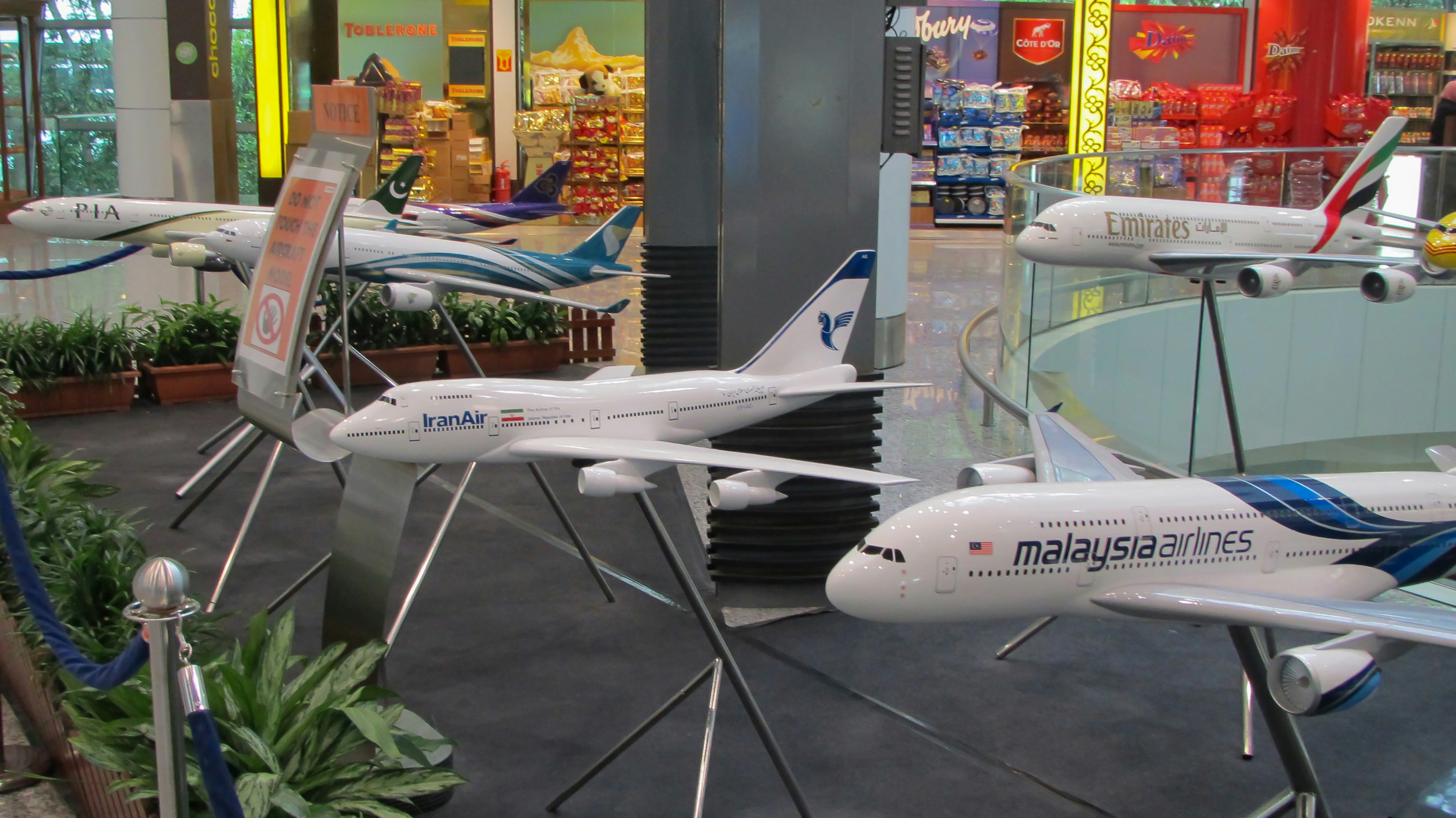
A Brief History of PIA: From Glory to Decline
Founded in 1955, Pakistan International Airlines (PIA) quickly rose to prominence in the aviation industry, earning a reputation for excellence in both service and operational efficiency. Initially, the airline began its journey by establishing a sustainable domestic network and offering international flights, which helped to foster a strong customer base. Notably, PIA was one of the first Asian airlines to operate a Boeing 707, marking a significant milestone in its quest to become a global player in the aviation sector.
Throughout the 1960s and 1970s, PIA distinguished itself from its competitors by providing quality service and hospitality that embodied the culture of Pakistan. The airline played an essential role in promoting tourism, bolstering the country’s economy, and enhancing its global image. Its status as a leading airline was underscored when PIA was elected to the prestigious International Air Transport Association (IATA), further validating its operational prowess.
However, as the decades advanced, both operational challenges and management decisions began to impact PIA’s standing. Increasing competition from other airlines, coupled with a lack of strategic long-term planning, contributed to an evident decline in airfares and service quality. Furthermore, a series of financial losses due to mismanagement and corruption eroded PIA’s financial stability and consumer trust. As the situation worsened, the airline became a symbol of inefficiency, which was far removed from its earlier glory.
By the 21st century, PIA faced significant operational hurdles, leading to a drastic reduction in market share. The once-iconic airline, which had proudly represented Pakistan on the international stage, struggled to maintain its fleet and attract flyers, ultimately embarking on a long battle to regain its lost luster. The sale of PIA for $482 million marks a critical juncture in the saga of an airline that has witnessed both peaks and valleys throughout its extensive history.
The Sale of PIA: A Reflection of Governance and Management Failures
The recent sale of Pakistan International Airlines (PIA) for a staggering $482 million has not only raised eyebrows but has also stirred a deep-seated discussion about governance and management practices within the public sector. The circumstances leading to this sale are emblematic of ongoing challenges within Pakistan’s political and economic landscape. As a national airline, PIA was once regarded as a symbol of Pakistan’s pride and connectivity; however, prolonged mismanagement over the years has resulted in a significant downslide.
Public sentiment regarding the sale is predominantly negative, reflecting the perception that PIA, as a national asset, should have been rescued rather than sold off. Critics argue that such a sale is an indication of systemic governance failures where long-term strategic planning has been lacking. The airline’s operational struggles, expressed through reports of accumulated losses and inefficiencies, point towards a dire need for reform and accountability that, unfortunately, was not achieved before resorting to privatization.
The implications of privatizing PIA extend beyond financial transactions; they intersect deeply with issues of economic stability and national pride. The decision to privatize raises questions about the role of government in managing public enterprises and the accountability mechanisms that should be in place. Moreover, the sale may set a concerning precedent for future governance strategies in Pakistan, where reliance on privatization might overshadow the need for thorough reforms and transparent management practices.
Thus, the sale of PIA signifies not just a financial transaction but also serves as a reflective moment for a nation assessing its ongoing governance challenges. It emphasizes the urgent need for a re-evaluation of management practices, enhanced accountability, and a focused effort on restoring public trust in state-owned enterprises.
Reactions from the Nation: Public Sentiment and Cultural Impact
The announcement of the sale of Pakistan International Airlines (PIA) for $482 million has ignited diverse reactions among the population. As a national symbol, PIA has long been intertwined with the identity and pride of the Pakistani people. Many citizens have expressed feelings of loss, equating the decline of this once-renowned airline with a deterioration of national prestige. The emotional attachment to PIA is palpable; it is not solely an airline but a vessel of memories and experiences for generations of Pakistanis who have relied on its services for travel, both domestic and international.
From the bustling streets of Karachi to the serene valleys of Swat, the sentiment is similar: PIA represented more than just a mode of transport. It embodied the aspirations and dreams of a nation, bringing with it a sense of ownership and pride. The decline of PIA is viewed by some as symbolic of larger societal issues, reflecting a perceived inability to maintain national enterprises in the face of globalization and economic challenges.
Furthermore, the implications of losing PIA as a national asset reach beyond individual sentiments. Many recognize that the sale signals a significant shift in the cultural landscape of Pakistan. For countless families, PIA flights were filled with moments of joy, such as reunions and celebrations. This sale alters the narrative of shared experiences and cultural connectivity. In the digital age, it is crucial to consider how this change affects collective memory, especially as younger generations may not have the same attachments to an airline that once enjoyed prestige.
Ultimately, the reactions to the sale of PIA reflect a deep-rooted sense of nostalgia while simultaneously raising questions about Pakistan’s capacity to hold onto its symbols amid the rapidly changing realities of the modern world. The cultural implications are profound, and as the nation grapples with this transition, it signals a pivotal moment in its aviation history.
Looking Ahead: The Future of Aviation in Pakistan
The sale of Pakistan International Airlines (PIA) for $482 million marks a significant turning point in the aviation sector of Pakistan, presenting both challenges and opportunities. With PIA’s restructuring, the landscape of aviation is anticipated to evolve dramatically. One of the most prominent prospects is the entry of foreign investors who may be attracted to a revitalized aviation market. As the government looks to foster a more conducive environment for foreign capital, the reduction of bureaucratic hurdles and enhanced regulatory frameworks will be vital.
Additionally, the exit of PIA from its current state of turmoil opens pathways for new airlines to emerge. With market space becoming available, new carriers could establish operations, catering to both domestic and international travelers. This shift could lead to increased competition, driving service quality and pricing strategies that benefit consumers. However, the success of these new airlines will hinge on lessons learned from PIA’s previous management crises, emphasizing the importance of corporate governance, operational efficiency, and customer satisfaction.
The government of Pakistan has hinted at its commitment to modernizing the aviation sector, which may include investing in airport infrastructure and enhancing air traffic management systems. Such initiatives could position Pakistan as a regional aviation hub, further attracting international airlines to consider routes into the country. Moreover, training programs aimed at developing aviation professionals and technicians will be crucial in supporting a robust industry.
In conclusion, the future of aviation in Pakistan is poised for transformation following the sale of PIA. With careful planning, there is potential for a thriving aviation sector that could reflect positively on the economy while delivering improved services for travelers. Lessons from PIA must inform this journey, ensuring that emerging airlines contribute to a sustainable and competitive aviation landscape.
Writer
F. Durrani
The PakSoil News Team is a dedicated group of journalists, editors, and analysts committed to delivering accurate, timely, and balanced news coverage. From politics and business to culture and community, we bring you stories that matter — verified, unbiased, and written with integrity.