A Historical Perspective: The Hype vs. Reality of Streaming
The evolution of the streaming industry is marked by a series of pivotal moments that reveal the disparity between initial skepticism and the eventual dominance of services like Netflix. In the early 2010s, industry executives, including Jeff Bewkes, expressed considerable doubt regarding the potential of streaming platforms. Bewkes famously dismissed Netflix as merely a niche player, underestimating its capacity to disrupt traditional media landscapes. This skepticism was not unfounded, as the nascent streaming market faced numerous hurdles, including bandwidth limitations and content licensing challenges that hampered growth.
However, these challenges later transformed into opportunities as Netflix began to innovate and pivot its business strategy. A significant milestone occurred in 2013 with the release of “House of Cards,” a bold move into original programming. This marked a turning point, as Netflix wasn’t just a distributor of content, but also a creator of high-quality programming, capturing the attention of both audiences and critics alike. The success of such series helped to challenge preconceived notions about streaming services, gradually leading to wider acceptance and embrace of digital content consumption.
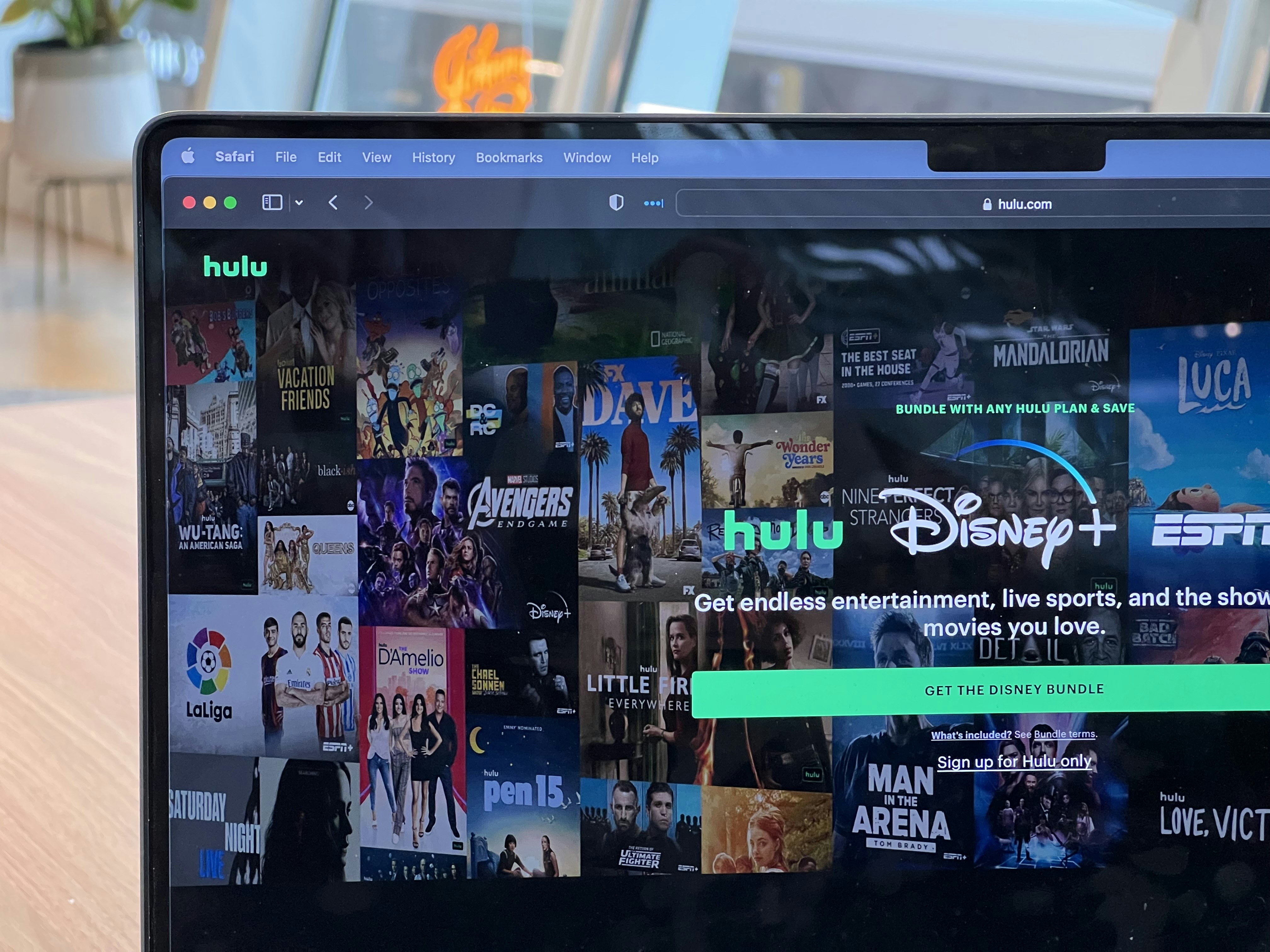
Alongside Netflix, other platforms, including Amazon Prime and Hulu, began to emerge, further transforming the entertainment landscape. The proliferation of smart devices and advancements in internet technology paved the way for greater accessibility to streaming services, encouraging even traditional media consumers to explore online alternatives. Over time, what was once viewed as the underdog, represented by Netflix, evolved into a formidable force in Hollywood and beyond, fundamentally altering the dynamics of the industry.
As we reflect on this historical arc, it becomes evident that the trajectory of the streaming industry has progressed from skepticism to recognition of its transformative potential. This shift has not only benefited consumers who seek diverse and convenient viewing options but has also compelled established entities like Warner Bros to adapt to the new streaming reality, culminating in the ongoing Netflix-Warner Bros dynamic.
The 2010 Quote: Insight into the Downfall of Traditional Media Perspectives
In a notable 2010 interview with The New York Times, Jeff Bewkes, then CEO of Time Warner, made a provocative comparison between Netflix and the Albanian army. This analogy, seemingly trivial at the time, served to illustrate how traditional media executives perceived the nascent streaming platform. Bewkes equated Netflix’s initial impact on the entertainment landscape to that of a small, undisciplined force, implying that it posed little threat to the established giants of media like Warner Bros. Dismissive comments such as these reflected a broader sentiment within the industry—an undeniable underestimation of the streaming revolution brewing just beneath the surface.
This perspective illuminated the resistance traditional media faced in adapting to rapidly evolving consumer behavior. By characterizing Netflix in such a disparaging manner, Bewkes and others neglected the potential disruptive power of digital platforms. As Netflix continued to invest in original content and enhance its user experience, the company began to unravel the very foundations of TV and film content consumption. This direct challenge catalyzed a shift in the media landscape, as viewers increasingly sought the flexibility and convenience that streaming services offered.
Over the years, the landscape has transformed dramatically, with traditional media houses, including Warner Bros, acknowledging the mettle of their streaming counterparts. The initial handicap of arrogance, borne from a long-standing legacy of control over distribution channels, has given way to a nuanced understanding that streaming is not merely a passing trend. Today, industry leaders recognize that the disfavor shown towards Netflix was a critical misstep. With streaming now firmly established as a dominant force, the narrative has evolved to embrace a future where traditional media must adapt to the preferences of an audience that gravitates towards digital platforms.
The $72 Billion Deal: Implications for Warner Bros and HBO
The recent announcement of Netflix’s ambitious $72 billion deal to acquire Warner Bros. and HBO marks a significant shift in the media and entertainment landscape. This transaction is not just a financial maneuver; it embodies a strategic response to the evolving demands of consumers in an increasingly competitive streaming environment. By acquiring these established brands, Netflix aims to bolster its content library, enhance its market position, and tap into the vast array of intellectual properties and franchises that Warner Bros. has cultivated over the years.
One primary motivation for this substantial acquisition is Netflix’s objective to expand its original content offerings. With audiences becoming more discerning and fragmented, the need for diverse and high-quality programming has never been more critical. By integrating Warner Bros. and HBO’s extensive portfolio, Netflix can provide subscribers with a wider array of compelling content, thus improving viewer retention and attracting new subscribers in a saturated market. This strategic move potentially positions Netflix to foster a more robust competitive stance against other streaming giants like Disney+ and Amazon Prime Video.
However, the acquisition is fraught with challenges as well. Warner Bros. Discovery must navigate the complexities of merging corporate cultures, managing existing projects, and maintaining brand identity in the face of this significant change. Additionally, the financial implications cannot be ignored; the $72 billion price tag could potentially strain Netflix’s resources if the anticipated revenue growth does not materialize. Simultaneously, the deal presents opportunities for innovation in content creation, allowing for the cross-pollination of ideas and resources across platforms.
As the streaming wars evolve, the relationship between Netflix and Warner Bros. will be critical to monitor. This acquisition not only reshapes the future for both companies but also redraws the competitive landscape for the entire industry, leading to a new era of content creation and distribution. The successful integration of Warner Bros. into Netflix’s strategy could set a precedent for future deals within the media sector, further intensifying the so-called Netflix-Warner Bros. rivalry.
The Future of Streaming: What Lies Ahead for Media Giants?
The streaming landscape is witnessing rapid evolution, fundamentally reshaping how content is consumed and experienced. As streaming giants like Netflix continue to dominate the market, traditional media companies, including Warner Bros., face significant challenges. To thrive, these companies must adapt their strategies, taking into account shifting consumer preferences and technological advancements. In the face of increasing competition from platforms such as Netflix, they should formulate a robust approach to content creation and distribution.
Warner Bros. Discovery’s recent decision to split into two publicly traded companies serves as a crucial indicator of how media giants are realigning their operations in response to the growing influence of streaming services. This strategic move aims to sharpen focus on core business areas, enhancing operational efficiency and enabling more targeted investment in content that resonates with audiences. As the competition intensifies, such decisions become critical for survival and relevance in an ever-changing entertainment landscape.
Consumer behavior also plays a pivotal role in determining the trajectory of streaming services. The shift from traditional cable subscriptions to on-demand platforms highlights a preference for flexibility and accessibility. Streaming audiences increasingly favor quality content over quantity, prompting companies to invest in original programming that can captivate viewers. This trend is essential for Warner Bros. and similar enterprises, as they explore innovative content strategies that prioritize viewer engagement and satisfaction.
Furthermore, technological advancements are set to redefine media consumption. Innovations in augmented reality, virtual reality, and artificial intelligence offer captivating new avenues for storytelling. By leveraging these technologies, companies can enhance viewer experiences and differentiate their offerings in a crowded market. It is crucial that traditional media giants recognize and embrace these shifts to remain pertinent amidst the Netflix-led revolution in streaming.
In summary, the future of streaming is characterized by both challenges and opportunities for established media players like Warner Bros. To navigate these uncertainties, a focus on adaptive strategies rooted in consumer insights and technological innovation will be essential, ensuring they can thrive alongside the relentless growth of streaming leadership exemplified by Netflix.

The PakSoil News Team is a dedicated group of journalists, editors, and analysts committed to delivering accurate, timely, and balanced news coverage. From politics and business to culture and community, we bring you stories that matter — verified, unbiased, and written with integrity.