Overview of the Ongoing Protests in Minneapolis
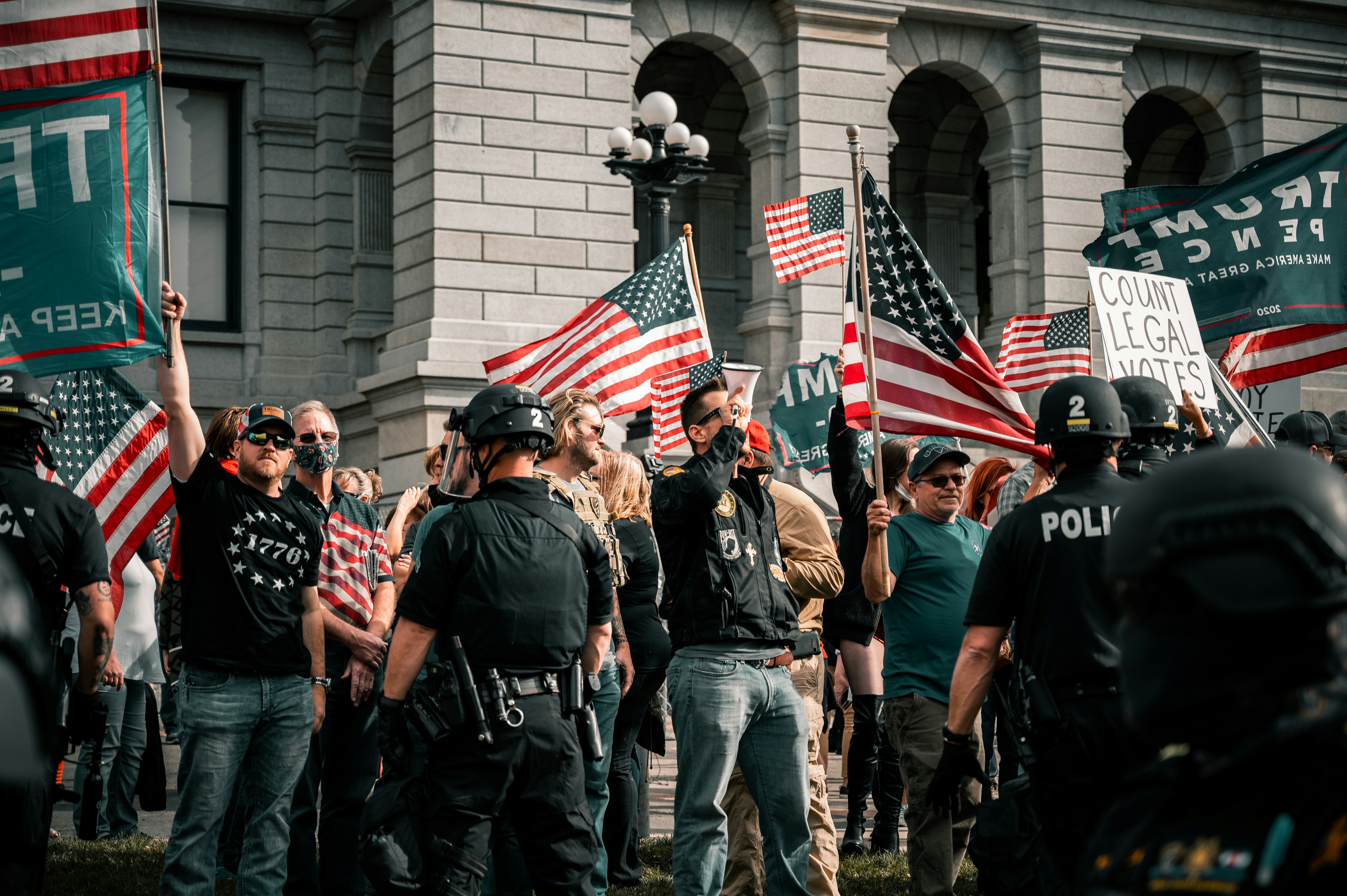
The city of Minneapolis has recently witnessed significant unrest and protests, largely ignited by the heightened federal immigration enforcement actions and the subsequent impact on local communities. In the weeks following these measures, tensions have escalated dramatically as residents took to the streets to voice their grievances. The protests were initially prompted by a growing discontent regarding the treatment of immigrant populations and assertions of civil liberties violations. Demonstrators, consisting of a diverse coalition of advocates, activists, and community members, have been united in their fight against what they perceive as unjust policies affecting vulnerable residents.
As protests progressed, the situation in Minneapolis became increasingly charged. Instances of civil disobedience and confrontations between protesters and law enforcement emerged, drawing national attention to the city and its challenges. Reports indicated that while many of the demonstrations were peaceful, a subset escalated into violence, further complicating the dialogue between the community and authorities. The polarizing nature of these events has not only captured the focus of local residents but has also engaged avid observers across the country, prompting discussions about the broader implications for civil rights and community safety.
Against this backdrop, President Trump’s recent threat to invoke the Insurrection Act represents a significant escalation in the federal government’s response to the unrest. The Insurrection Act, a historical statute allowing the president to deploy military forces within the United States, raises critical questions about governance, law enforcement, and the delicate balance between order and civil rights. As Minneapolis continues to grapple with the fallout from these protests, the discourse surrounding governmental action and community response remains in a state of flux, underscoring the tension between enforcing order and respecting the rights of citizens to peacefully assemble and protest.
Understanding the Insurrection Act of 1807
The Insurrection Act of 1807 is a pivotal piece of legislation within the United States legal framework that grants the President the authority to deploy military forces in response to civil disturbances. Initially ratified during a period of great unrest, the Insurrection Act has evolved in scope and significance, allowing for federal intervention under specific circumstances when state or local authorities cannot maintain order.
The Act enables the President to use military forces to suppress domestic violence, insurrection, or unlawful combinations. It empowers the federal government to assist local law enforcement agencies in situations where public order is beyond their capacity to manage. Notably, the Act emphasizes the necessity for this intervention to be driven by a failure of local authorities, ensuring that it is a measure of last resort.
Historically, the Insurrection Act has been invoked during major events such as the Civil War, the civil rights movement, and during natural disasters when local law enforcement agencies were overwhelmed. These historical precedents illustrate the act’s significant role in balancing state autonomy with federal oversight, particularly in pivotal scenarios threatening public safety and order.
Moreover, the Act outlines clear procedures for its application. The President must issue a proclamation to disperse the insurrection and, if such a directive fails, can then call in the military. This ensures that military action is not taken lightly and that civilian control is preserved as a fundamental principle of American democracy. It is worth noting that the Insurrection Act remains a contentious topic, often sparking debates regarding the limits of executive power and the potential for military oversight in civilian matters.
Recent Events Leading to Trump’s Threat
The recent unrest in Minneapolis has been marked by a series of significant events, culminating in a volatile atmosphere of fear and anger among citizens. The incident that sparked this turmoil occurred when an immigration officer was shot during a confrontation. This shooting not only instigated immediate outrage but also triggered a wave of protests across the city, as well as nationwide discussions regarding the treatment of immigrants and the use of force by law enforcement. Witnesses reported that tensions escalated quickly, reflecting long-standing issues within the community.
In the aftermath of the shooting, crowds began to gather to voice their frustrations, highlighting broader societal issues such as systemic injustice and police brutality. Many participants in the protests expressed a desire for accountability and reform, passionately advocating for change in response to the violence. As the protests grew in number and intensity, city officials were confronted with a challenging situation, struggling to balance the need for public safety with the right to protest.
Amid these growing tensions, President Trump made a significant statement regarding the potential invocation of the Insurrection Act. His threat to deploy federal troops was seen by many as a drastic move, raising concerns about the implications for civil liberties and the relationship between federal and state authorities. The statement signified a shift towards a more militarized response to civil unrest, which has historical precedents in American governance. As this situation unfolds, it remains crucial to monitor the response from both protesters and government officials, as the overarching context of these events continues to shape the dialogue around law enforcement and community relations.
The Role of Federal Immigration Officers in Minneapolis
In recent times, the presence of federal immigration officers in Minneapolis has garnered significant attention, particularly amidst civil unrest and protests. As cities across the United States face heightened tension, federal immigration enforcement has become a focal point in the discussion regarding public safety and immigration policy. The rationale behind deploying these officers is multifold, primarily centering on the federal government’s objective to uphold immigration laws and deter unlawful entry into the United States. This strategy, however, raises complex questions concerning local community dynamics and civil rights.
The local community’s response to the presence of federal immigration officers has been notably polarized. For some, the increased visibility of immigration enforcement is viewed as a much-needed measure to ensure accountability and public safety. Conversely, many residents and advocacy groups express deep concern regarding the impact of these actions on immigrant populations, particularly those who fear deportation and the fracture of family unity. The psychological ramifications of a visible federal presence can create an atmosphere of fear, leading individuals to avoid seeking essential services or engaging with local law enforcement out of concern for their status.
Furthermore, federal immigration enforcement can strain local resources, as city officials often find themselves balancing community safety against the imperative to uphold immigration laws. This duality can lead to contentious relationships between local authorities and federal enforcement agencies, leaving many community members feeling caught in the crossfire of larger political agendas. Ultimately, the interplay between federal immigration officers and local strategies in Minneapolis encapsulates the broader challenges faced by communities across the nation, as they navigate the complexities of immigration policy within the context of public safety and human rights.
Public Response and Community Reactions
The recent protests in Minneapolis following the death of George Floyd have elicited a significant response from the local community, activists, and various stakeholders. As tensions mounted, particularly with President Trump’s threats to invoke the Insurrection Act, the reactions from these groups have been multifaceted and illuminating.
Community leaders, activists, and local organizations have expressed deep concern regarding the federal government’s heavy-handed approach to what they deem a critical social justice issue. Many in the community believe that invoking the Insurrection Act would exacerbate already heightened tensions and contribute to further unrest. Frequently, activists have coordinated peaceful protests and community dialogues aimed at highlighting the need for systemic change, using their platforms to advocate for justice and appropriate responses to police violence.
The protests were not merely a reaction to the incidents they were originally sparked by; the local community members are also responding to the perceived threat of militarized federal intervention. A diverse range of voices has emerged, echoing a shared sentiment against the notion of federal troops being deployed to manage civil unrest. Local residents, including families and older community members, have called for solidarity, emphasizing the importance of peaceful demonstration over violence or oppression.
Moreover, various local organizations have mobilized resources to facilitate better communication within the community. They are utilizing social media, neighborhood gatherings, and workshops to educate the public on their rights amidst a climate of uncertainty and fear. In effect, there is a strong push from the grassroots level not only to resist federal overreach but also to foster unity while working toward a common objective: a profound and lasting social change that addresses racial inequality and police reform.
Legal and Constitutional Implications of Invoking the Insurrection Act
The Insurrection Act, primarily encapsulated in 10 U.S.C. § 251–255, authorizes the President to deploy federal military forces within the United States to suppress civil disorder, insurrection, and rebellion. Although it has historical precedence, such as during the civil rights movement, invoking this Act carries significant legal and constitutional implications that merit careful consideration.
A core component of the Act’s application involves potential legal challenges from state governors. The Constitution establishes a balance of power between federal and state authorities, which means that state governors could contest the federal government’s right to intervene in local matters, asserting their sovereignty. Under the Tenth Amendment, states retain powers not expressly granted to the federal government, which introduces a layer of complexity to any presidential decision to invoke the Insurrection Act during protests, like those seen in Minneapolis. Governors may argue that the situation is not classified as an insurrection, thus rendering the invocation of the Act unnecessary.
Furthermore, while federal forces responding to domestic protests might be perceived as a means to maintain order, their deployment raises questions about civil rights and liberties. The Posse Comitatus Act restricts the use of federal military personnel for domestic law enforcement activities. This means that consequences are fairly serious should the military’s deployment be deemed as enforcing domestic laws rather than merely assisting in quelling insurrection. Legal scholars have long debated the balance between maintaining public order and respecting constitutional safeguards, especially when civil unrest arises from deeply rooted social injustices.
The delicate interplay between state and federal powers, coupled with civil liberties, makes the invocation of the Insurrection Act a profound constitutional issue. Its application could set significant legal precedents, influencing future relationships between federal authority and state governance in the context of civil unrest and protests.
Comparative Historical Instances of the Insurrection Act
The Insurrection Act, a powerful legal mechanism allowing the federal government to deploy military forces within the United States in response to civil disorder, has a complex history marked by varied applications and public reactions. Notably, instances of its invocation provide critical insights into its implications and societal responses, particularly in light of the recent protests in Minneapolis.
One significant event occurred in 1965 during the Watts riots in Los Angeles. In response to widespread disturbances stemming from a confrontation between the police and the African American community, authorities resorted to deploying National Guard troops, albeit under the jurisdiction of state authorities. The presence of military forces contributed to a quick reestablishment of order; however, it also ignited a national dialogue regarding civil rights and police brutality, highlighting the underlying societal issues that fueled the unrest.
Another instance is the 1992 Los Angeles riots, provoked by the acquittal of police officers involved in the brutal beating of Rodney King. The Insurrection Act was considered, yet the federal government opted for a coordinated deployment of troops through state channels to assist local law enforcement. This raised questions regarding appropriate governmental responses to civil unrest and emphasized citizens’ expectations and the role of military in civilian contexts.
The current protests in Minneapolis, ignited by issues of racial inequality and police misconduct, echo the sentiments from these historical instances. As tensions rise, the potential for invoking the Insurrection Act carries substantial weight in the public discourse. Comparisons to previous events reveal that military intervention may yield short-term order but often fails to address the deeper socio-political issues that perpetuate unrest. Understanding the historical context is crucial as we navigate these contemporary challenges.
Potential Consequences of Military Intervention
The potential consequences of military intervention in situations like the protests in Minneapolis are multifaceted and can significantly impact civil liberties, public safety, and the dynamic between state and federal authorities. When a president threatens to invoke the Insurrection Act, it raises concerns about the extent to which military forces may be employed to quell domestic unrest.
One of the immediate repercussions of deploying military forces could be a chilling effect on civil liberties. Citizens may feel deterred from exercising their right to protest, fearing a militarized response to peaceful demonstrations. This scenario could lead to heightened tensions between civilians and law enforcement, as the presence of the military might escalate rather than de-escalate conflict. Activists and advocacy groups have often voiced concerns about the implications of such military actions on freedom of speech and assembly.
Additionally, the involvement of military personnel in civic matters can create complications in the relationship between state and federal authorities. Historically, the use of federal troops in domestic situations has been contentious, leading to conflicts over jurisdiction and authority. Local governments might perceive such moves as undermining their ability to manage situations within their own communities. This potential overreach raises questions about the balance of power and the implications for local governance.
On the public safety front, military intervention can both alleviate and heighten potential dangers. While the presence of armed forces may deter acts of violence, it might also incite a sense of fear among civilians. Understanding these complex dynamics is crucial for policymakers and citizens alike. As discussions around civil rights and public order continue, the ramifications of such actions will resonate long after any immediate crisis has resolved.
Conclusion: The Future of Protests in America
The trajectory of protests in America is undergoing significant scrutiny, particularly in light of recent events surrounding the threat to invoke the Insurrection Act amid civil unrest. As the nation grapples with heightened tensions and divisions, the implications of such presidential threats on civil rights, democratic processes, and community-police relations cannot be overlooked.
The Insurrection Act, designed to maintain order during extreme situations, raises critical questions about the balance between national security and the right to protest. As communities mobilize to voice their dissatisfaction and seek reform, the potential for federal intervention poses a direct challenge to the exercise of free speech and assembly, foundational elements of American democracy. The use of such measures has historically been controversial, with many arguing that they disproportionately affect marginalized communities, often exacerbating existing tensions.
Furthermore, the impact of invoking the Insurrection Act extends beyond immediate law enforcement responses; it also shapes public perception and trust in governmental institutions. An environment characterized by excessive force and military presence can lead to further alienation of citizens from their local law enforcement and government entities. It is vital for community-police relations to be nurtured, fostering dialogue and trust rather than fear and resistance.
As protests continue to evolve in response to sociopolitical issues, the way that administrations handle unrest will have lasting consequences. This may very well determine the future landscape of civic engagement in America. The balance between maintaining order and preserving democratic values is delicate and requires thoughtful consideration from all sectors of society. The ongoing discussion around protests, civil liberties, and governmental authority will undeniably shape the future of civil rights in this nation.

The PakSoil News Team is a dedicated group of journalists, editors, and analysts committed to delivering accurate, timely, and balanced news coverage. From politics and business to culture and community, we bring you stories that matter — verified, unbiased, and written with integrity.