The Escalation of Tensions
The recent missile strikes attributed to Iran on the Israeli city of Dimona have intensified the already volatile situation between these two nations. This escalation marks a significant moment in the protracted conflict that has characterized their relationship, particularly given the strategic importance of the Dimona nuclear facility. Established amidst the tensions of the Cold War, this site has become emblematic of Israel’s military capabilities and its stance within the regional power dynamics.
The offense has not only drawn condemnation from Israel but has also served as a rallying point for Iranian authorities, who frame these actions as protective measures against perceived threats. The ongoing dispute over Iran’s nuclear program has remained a major source of friction, with Israel viewing any advancements in Iran’s nuclear capabilities as direct existential threats. Thus, the missile strike targeting Dimona can be interpreted as a bold assertion of Iran’s capabilities, aiming to challenge Israel’s military superiority and signify its resolve to oppose Israeli policies in the region.
Furthermore, the geopolitical implications of this confrontation are substantial. The Israeli nuclear facility is not merely an isolated site but a critical element in the broader dynamics of Middle Eastern politics. As such, attacks on this facility highlight the precarious balance of power in the region, where military readiness often intersects with diplomatic relations. The recent hostilities could potentially draw in other regional players and complicate ongoing international efforts to mediate peace. The trajectory of future interactions between Iran and Israel remains uncertain as both nations navigate this heightened period of hostility.
Details of the Missile Strike
The missile strike targeting the Israeli nuclear facility near Dimona occurred on [Date and Time]. This attack marked a significant escalation in tensions between Iran and Israel, underscoring the ongoing volatility in the region. The facility, located in the Negev Desert, is known for its role in nuclear development and is a focal point of Israel’s nuclear capabilities.
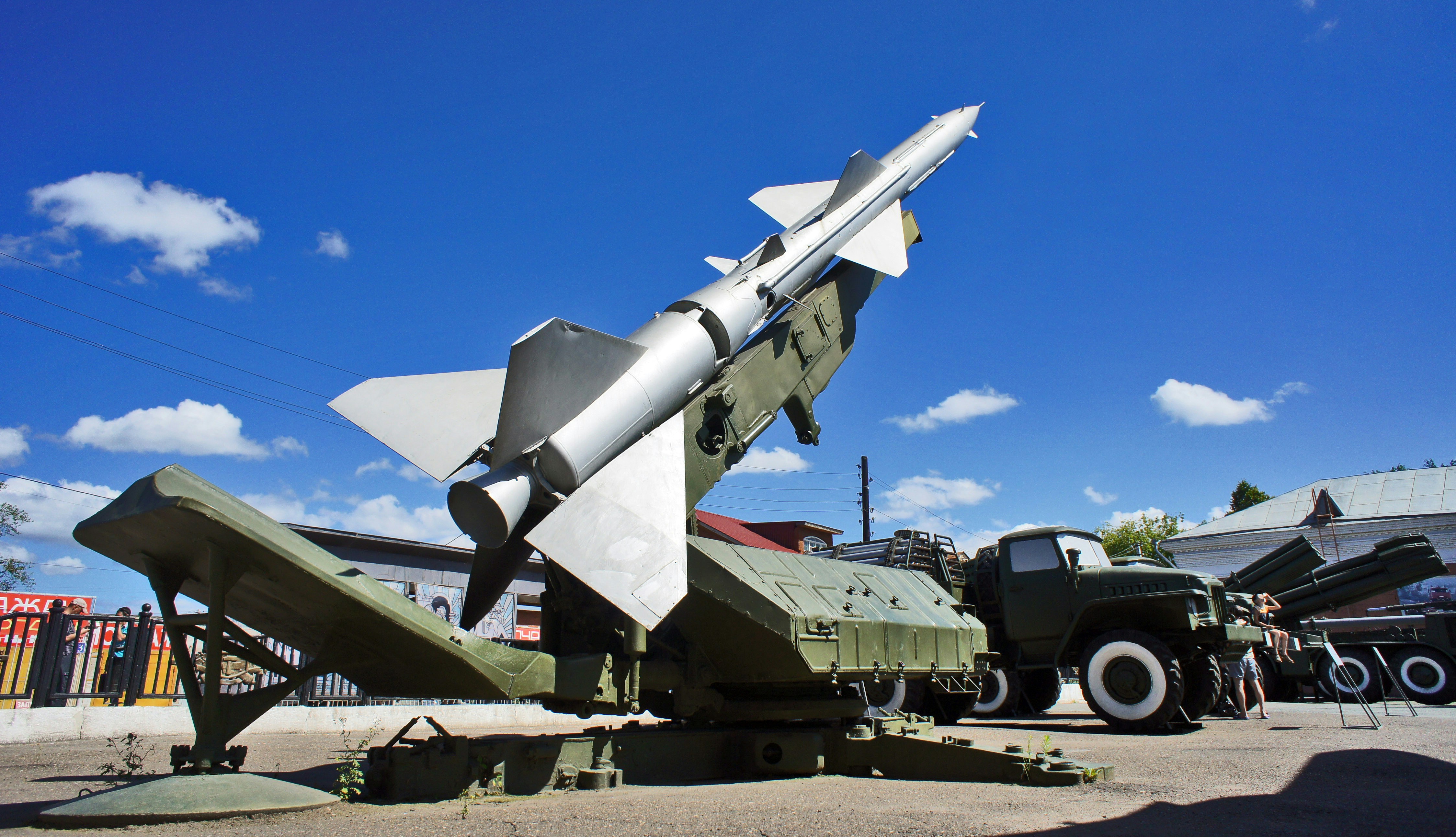
The type of missile employed in this operation was reportedly a medium-range ballistic missile, which has raised concerns regarding Iran’s technological advancements in missile development. The precision of the strike is still under analysis, but initial reports suggest that the missile was aimed directly at the facility, highlighting Iran’s determination to challenge Israeli nuclear capabilities.
Immediately following the strike, emergency services were deployed to assess the situation. Fortunately, there were no reported civilian casualties; however, there were significant concerns regarding possible radiation leaks that could endanger surrounding areas. The Israeli government activated its emergency protocols, and the military was placed on high alert to respond to any potential further threats.
Damage reports indicate that while the facility itself sustained some structural damage, the immediate impact may not have compromised its critical functions. Nevertheless, this event has prompted heightened scrutiny regarding the security measures in place at the nuclear site and has raised questions about Israel’s preparedness for such incursions.
Given the strategic significance of the Dimona facility, the missile strike serves as a reminder of the growing tensions in the Middle East, particularly in relation to nuclear proliferation and military readiness. The geopolitical implications of this strike are expected to influence future diplomatic discussions and military strategies among countries in the region.
In the context of the recent missile strike on the Israeli nuclear facility, Iran has made a series of claims that reflect its perspective on the ongoing conflict with Israel. Central to Iran’s justification for the attack is the assertion that the nation has been a target of aggression, particularly in the realm of nuclear development. Iran argues that its nuclear facilities, originally established for peaceful purposes, have come under direct threat from Israeli operations. Officials from Iran have called the strikes on their facilities as violations of international law, framing their own missile strike as a necessary act of self-defense.
The historical grievances between Iran and Israel are deeply rooted in the political landscape of the Middle East. Since the Islamic Revolution in 1979, Iran has viewed Israel as a principal adversary, particularly due to incidents where Iranian nuclear sites were allegedly sabotaged in previous years. These events, including cyberattacks and physical strikes attributed to Israel, have exacerbated tensions and set the stage for Iran’s military responses. In light of these provocations, Iranian leaders have maintained that their actions are a justified response to what they perceive as existential threats.
Moreover, the geopolitical dynamics in the region further complicate the narrative. Iran accuses its adversaries of attempting to destabilize its sovereignty through military and economic pressure. By launching missiles at the Israeli facility, Iran aims to convey a message about its deterrence capabilities and resolve to protect its interests. This incident exemplifies the ongoing cycle of escalation, where each act of aggression or perceived injustice leads to reciprocal tit-for-tat actions, complicating any potential for diplomatic resolutions.
Israel’s Response to the Attack
In the wake of the missile strikes launched by Iran targeting Israel’s nuclear facility, the Israeli government responded with a multifaceted strategy encompassing both military action and firm political statements. The immediacy of the attacks compelled Israeli officials to convene emergency meetings to evaluate the situation and coordinate a response that would not only address the immediate threat but also bolster national security.
Israeli Prime Minister, during a televised address, condemned the attacks, stating that Israel views any act of aggression against its sovereignty as an intolerable violation. He emphasized that the country would not hesitate to retaliate if necessary and that the military forces were on high alert following the incident. This response highlighted Israel’s commitment to protecting its strategic assets, including its nuclear capabilities.
In terms of military strategy, Israel activated the Iron Dome defense system, which is pivotal in intercepting incoming threats. The Israeli Air Force conducted reconnaissance missions to gather intelligence on potential further strikes from Iranian launch points, aiming to neutralize threats before they materialized. Furthermore, Israel increased its naval presence in the region, demonstrating its readiness to respond to any escalation in tensions.
Political leaders from various parties within Israel echoed the Prime Minister’s sentiments, calling for unity in the face of external threats. Security measures across the nation were heightened, with increased surveillance in sensitive areas and enhanced coordination among defense and intelligence agencies. The attacks served as a precipitating factor for discussions regarding potential long-term adjustments to Israel’s military doctrine and strategy in countering missile threats.
Moreover, Israel reached out to its allies, seeking diplomatic support in the international sphere to address the aggressions from Iran. This diplomatic maneuvering underscores the importance Israel places on global alliances in its overarching security strategy. The missile strike incident thus not only highlighted immediate operational responses but also reflected the broader implications for Israel’s geopolitical considerations.
The missile strikes on the Israeli nuclear facility have resulted in a significant human toll, with casualties being reported across various demographics. Initial reports indicate that at least twenty individuals lost their lives as a direct result of the strikes, while dozens more sustained injuries, with some in critical condition. The aftermath of such attacks often extends beyond physical injuries, affecting mental health and community stability.
Among those injured, many have expressed feelings of shock and disbelief, highlighting the psychological strain these events impose on civilians. For example, a 35-year-old woman, who was in the vicinity at the time of the strikes, recounted the harrowing experience of losing a close friend in the chaos. Such personal stories resonate deeply, illustrating how an event of this nature shatters the sense of security within a community.
Moreover, the attack has left families grappling with the loss of loved ones, inciting feelings of grief and anger. Community members have reported heightened anxiety levels, as the fear of future attacks looms heavily in the air. Local mental health services are now faced with an increased demand for psychological support, aiming to assist those affected in processing their trauma.
Additionally, the strikes have instigated a broader dialogue about the implications of military actions on civilian life. The collective trauma experienced by individuals and neighborhoods fosters a sentiment of vulnerability, leading to a profound reflection on safety and peace within the region. As communities begin to recover from this incident, the long-term impact on mental health, social cohesion, and community resilience will emerge as critical issues that demand ongoing attention and support.
The Strategic Implications in the Region
The recent missile strikes by Iran on Israeli nuclear facilities have sparked considerable debate regarding their strategic implications for the Middle East. Such actions fundamentally challenge the existing military alliances and could lead to a reconfiguration of power dynamics in the region. The attacks may compel nations to reassess their defense strategies and alliances, particularly influencing the ongoing relationships between Iran, Israel, and their respective allies.
Firstly, the military alliance between Israel and its Western partners, especially the United States, is likely to be tested. Israel’s response to Iran’s aggression could lead to enhanced military cooperation among these nations, prioritizing collective security measures. Conversely, these strikes may draw in other regional powers, potentially pushing countries like Saudi Arabia and the UAE closer to Israel, as they share concerns regarding Iran’s expanding military capabilities.
Moreover, the missile strikes could exacerbate the existing tensions between Iran and its rivals, bringing to the forefront the question of nuclear proliferation in the region. Countries that previously maintained a cautious stance towards Iran might feel compelled to reassess their own military capabilities and might even consider pursuing their own nuclear arsenals as a countermeasure.
The balance of power within the Middle East is already fragile, and such aggressive actions from Iran are likely to initiate an arms race, further destabilizing the region. Nations may invest heavily in defense technologies, including missile defense systems and cyber capabilities, escalating military expenditures.
In conclusion, the implications of Iran’s missile strikes on Israeli nuclear facilities extend beyond immediate military responses. They threaten to reshape alliances, provoke militarization, and pose significant challenges to regional stability, which warrants careful observation in the coming months.
International Reactions and Diplomatic Fallout
The missile strikes conducted by Iran on the Israeli nuclear facility have garnered significant attention from political leaders and organizations across the globe. Major world powers, including the United States and European Union, have responded with strong condemnation of the attacks, regarding them as a direct threat to regional stability and international security. Both entities have reiterated their commitment to ensuring a peaceful resolution to the ongoing tensions in the Middle East, emphasizing the importance of adhering to international norms and agreements.
Furthermore, Russia and China have taken a more balanced approach, calling for restraint from all parties involved while highlighting the complex geopolitical dynamics that contribute to such conflicts. They have indicated that addressing the root causes of hostility is crucial for a lasting peace. This divergence in international reactions suggests a potential shift in diplomatic relationships, particularly between Western countries and Iran, which may lead to increased sanctions or diplomatic isolation for Tehran.
The United Nations has convened discussions regarding the incident, with calls for an emergency meeting to evaluate the situation and formulate a coordinated response. The possibility of mediation efforts by the UN or regional powers, such as Saudi Arabia and Qatar, has been raised, as they may possess the leverage needed to foster dialogue between Iran and Israel. However, the effectiveness of such initiatives remains uncertain, given the entrenched positions and historical animosities that have characterized this conflict.
In the wake of the missile strikes, it is clear that the international community faces a delicate balancing act – emphasizing the need for accountability while also recognizing the potential for dialogue and diplomacy. The situation remains fluid, as nations navigate their responses in an increasingly polarized environment.
The US Role and Recent Military Actions
The United States has long been a significant player in the geopolitical dynamics of the Middle East, particularly regarding the ongoing Iran-Israel conflict. Recent military actions, including airstrikes on Iranian military facilities, have underscored America’s strategic involvement in the region. The bombing of an underground military facility in Iran is particularly noteworthy as it reflects changing tactical approaches and heightened tensions between the involved parties.
US military operations in the region, often aimed at curbing Iranian influence and military capabilities, appear to have had a profound impact on Iranian strategic assessments. The strikes demonstrate the United States’ commitment to countering threats posed by Iran, particularly in regard to its nuclear ambitions. This involvement serves not only as a deterrent but also as a clear signal to both Iran and its adversaries, including Israel, regarding US responsiveness to perceived provocations.
Moreover, the implications of these actions extend beyond immediate military consequences. They challenge the existing paradigms of US foreign policy in the Middle East, especially as a balancing force between established allies such as Israel and adversarial states like Iran. The strikes can be viewed as a reaffirmation of the United States’ support for Israel’s security, yet they also risk escalating conflicts that could draw further international condemnation or provoke direct Iranian retaliation.
In particular, the US’s recent military strikes can be seen as a response to Iran’s persistent developments in missile technology and nuclear enrichment, both of which greatly concern Israel and US allies. As tensions continue to escalate, the international community watches closely, anticipating how these military actions may reshape the long-term strategies of both the United States and Iran in the context of regional stability.
Looking Ahead
The recent missile strikes by Iran on Israeli nuclear facilities have significantly heightened tensions in the Middle East, marking a critical juncture in the ongoing conflict between these two nations. Throughout this analysis, we have explored the multifaceted implications of these strikes, including the potential for escalation of military confrontations and the complexities inherent in regional geopolitics. The response from both sides underscores the precarious nature of the current situation, as military posturing may lead to unintended consequences.
Amid the escalating hostilities, the importance of diplomatic efforts cannot be overstated. Historically, direct and indirect negotiations have played a vital role in mitigating conflicts and paving the way for resolution between adversarial countries. Renewed diplomatic discussions could provide a platform for both Iran and Israel to voice their concerns, seek compromises, and ultimately de-escalate the tensions. Emphasizing dialogue rather than military engagement could be pivotal in preventing further escalation and ensuring long-term stability in the region.
Looking forward, it is crucial for international stakeholders to engage constructively with both Iran and Israel. Involvement from global powers could facilitate a balanced approach that considers the security needs of both nations while advocating for regional peace. The complexities of Iran-Israel relations, influenced by historical grievances, ongoing hostilities, and wider geopolitical dynamics, necessitate a careful and strategic approach to diplomacy. The exploration of alternative resolutions to military confrontation is vital as we approach a critical juncture in this enduring conflict.

The PakSoil News Team is a dedicated group of journalists, editors, and analysts committed to delivering accurate, timely, and balanced news coverage. From politics and business to culture and community, we bring you stories that matter — verified, unbiased, and written with integrity.