Background of the Protests
The political landscape in Pakistan has recently been characterized by significant turbulence, particularly following the arrest and subsequent imprisonment of former Prime Minister Imran Khan. His imprisonment has spurred an outpouring of support from his party, Pakistan Tehreek-e-Insaf (PTI), and the broader populace, who view Khan as a pivotal figure in the fight for democratic rights and justice within the country. The atmosphere surrounding these events has been notably charged, as the challenges faced by Khan resonate deeply with many citizens who believe that his political endeavors represent a departure from the entrenched political norms.
In recent weeks, the well-being of Imran Khan has also become a primary concern among his supporters. Reports about his deteriorating health while in custody have intensified fears and fueled protests, as many perceive these developments as a further attempt to undermine political dissent in Pakistan. His supporters are not merely advocating for Khan’s release; they are echoing a broader demand for accountability, transparency, and respect for the rule of law as they rally against what they view as oppressive governmental actions.
The grassroots activism of the PTI has been a significant factor in the organization of protests, particularly in Karachi, where feelings of frustration and anger towards the current administration boil over. With Khan’s supporters energized, demonstrations have ramped up in frequency and intensity, showcasing a collective commitment to ensuring their voices are not silenced. This situation exemplifies the growing polarization in Pakistani politics between the incumbent government and Khan’s advocates. The protests in Karachi illustrate that many citizens are ready to confront the governmental policies that have directly impacted their favored leader and foster a climate of urgent change.
The Karachi Protest: Events and Reactions
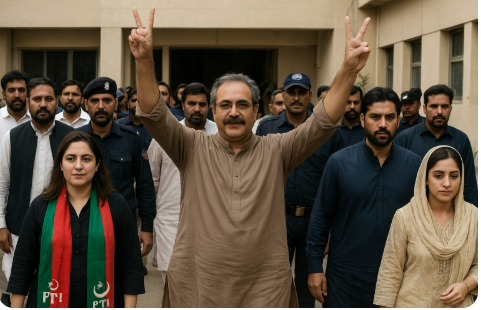
On November 28, 2025, a significant protest erupted in front of the Karachi Press Club, drawing attention from both local and international media. The demonstration was primarily fuelled by concerns regarding the health of former Prime Minister Imran Khan, particularly the reported denial of meetings with him. Protestors gathered to express their discontent and demand transparency regarding his condition. The gathering was characterized by its peaceful nature, with participants waving banners and placards demanding accountability from the authorities.
Estimates suggest that over a thousand individuals took part in the protest, showcasing widespread concern for Khan’s well-being. Among the notable figures present were several key political leaders and activists who voiced their support for the cause. They emphasized the importance of allowing Khan access to visitors and the need for communication about his health status. The protest highlighted a broader anxiety among supporters regarding the treatment of political figures under challenging circumstances.
Despite the peaceful intentions of the demonstrators, the event drew a proportionate response from police forces stationed nearby. Authorities maintained a presence to ensure public order, yet their reaction was largely non-intrusive. However, a few incidents of detainment occurred, primarily involving individuals who attempted to breach police lines or engage in disruptive behavior. These occurrences were met with immediate backlash from the crowd, who rallied in defense of their fellow protestors.
As the day unfolded, reactions from the local community varied. Many expressed support for the cause, citing their affection for Khan and the belief that political leaders should not be isolated. Media coverage of the events painted a picture of a community unified by its desire for rights and transparency. The protest served as a focal point for public sentiment, reflecting broader concerns over governance and health care within political contexts.
Impact on PTI and Political Landscape
The recent protests in Karachi, sparked by concerns over Imran Khan’s health, present significant ramifications for the Pakistan Tehreek-e-Insaf (PTI) party and the broader political environment in Pakistan. As Khan’s supporters rally in support of their leader, the protests not only reflect the emotional investment that his constituency has in him but also illuminate the fragility of the party’s support base. A decline in Khan’s health could give rise to increasing apprehensions among PTI members, potentially leading to fractures within the party, which thrives on Khan’s charismatic leadership.
Moreover, the protests may deter some undecided voters and swing regions from aligning with PTI, potentially diminishing their influence in upcoming elections. This shift in political allegiance underscores the importance of party unity during tumultuous times, as dissenting factions within PTI could exacerbate existing vulnerabilities. The psychological components tied to Khan’s health will likely usher in a wave of activism among supporters, compelling them to demonstrate loyalty, while also attracting attention from rival political factions. The dynamics of such rallies can energize PTI’s core, yet the volatility created by external perceptions and internal uncertainties remains a critical concern.
In response to the ongoing situation, it is plausible that government officials and opposing parties may attempt to leverage these protests to capitalize on any PTI weaknesses. The increased visibility of demonstrations could lead to a strategic realignment within the political framework of Pakistan. Rival parties may seek to exploit public sentiment surrounding Khan’s health, attempting to galvanize their constituencies and present themselves as viable alternatives. The intricate interplay between grassroots support for PTI and the calculated approaches of opposition parties could ultimately reshape the political landscape in the near future.
International Perspective and Solidarity
The ongoing protests in Karachi, sparked by concerns regarding Imran Khan’s health, have garnered significant attention from the international community. Global observers have expressed a range of views on the situation, particularly emphasizing the implications for democracy and human rights in Pakistan. As Imran Khan, the former Prime Minister and leader of the Pakistan Tehreek-e-Insaf (PTI) party, faces health challenges amid continued political turmoil, many international actors are closely monitoring the development of events.
Governments and organizations across the world have voiced their concerns regarding Khan’s treatment and the crackdown on PTI supporters. Notable figures and institutions have issued statements emphasizing the importance of safeguarding democratic values. Concerns have particularly been raised over the alleged human rights violations during the protests, which saw demonstrators face harsh responses from law enforcement. This situation has led to a call for increased accountability and transparency from the Pakistani government, particularly regarding the treatment of political dissenters.
International human rights organizations have also joined the discourse, advocating for immediate action to protect the rights of those involved in the protests. Their reports highlight the need for the government to respect citizens’ rights to free expression and peaceful assembly. Social media platforms have served as an essential tool for PTI supporters outside Pakistan, enabling them to rally international solidarity. They have mobilized support through campaigns and demonstrations in various countries, drawing attention to the plight of their leader and the ongoing protests within Pakistan.
As the unrest unfolds, the focus remains on the broader implications for Pakistan’s democratic framework. The international response underscores a collective concern for the state of human rights in the country and the necessity for global solidarity in supporting individuals who advocate for democratic principles. This solidarity may play a crucial role in influencing the political landscape and ultimately aiding in the pursuit of justice and reform.
The PakSoil News Team is a dedicated group of journalists, editors, and analysts committed to delivering accurate, timely, and balanced news coverage. From politics and business to culture and community, we bring you stories that matter — verified, unbiased, and written with integrity.