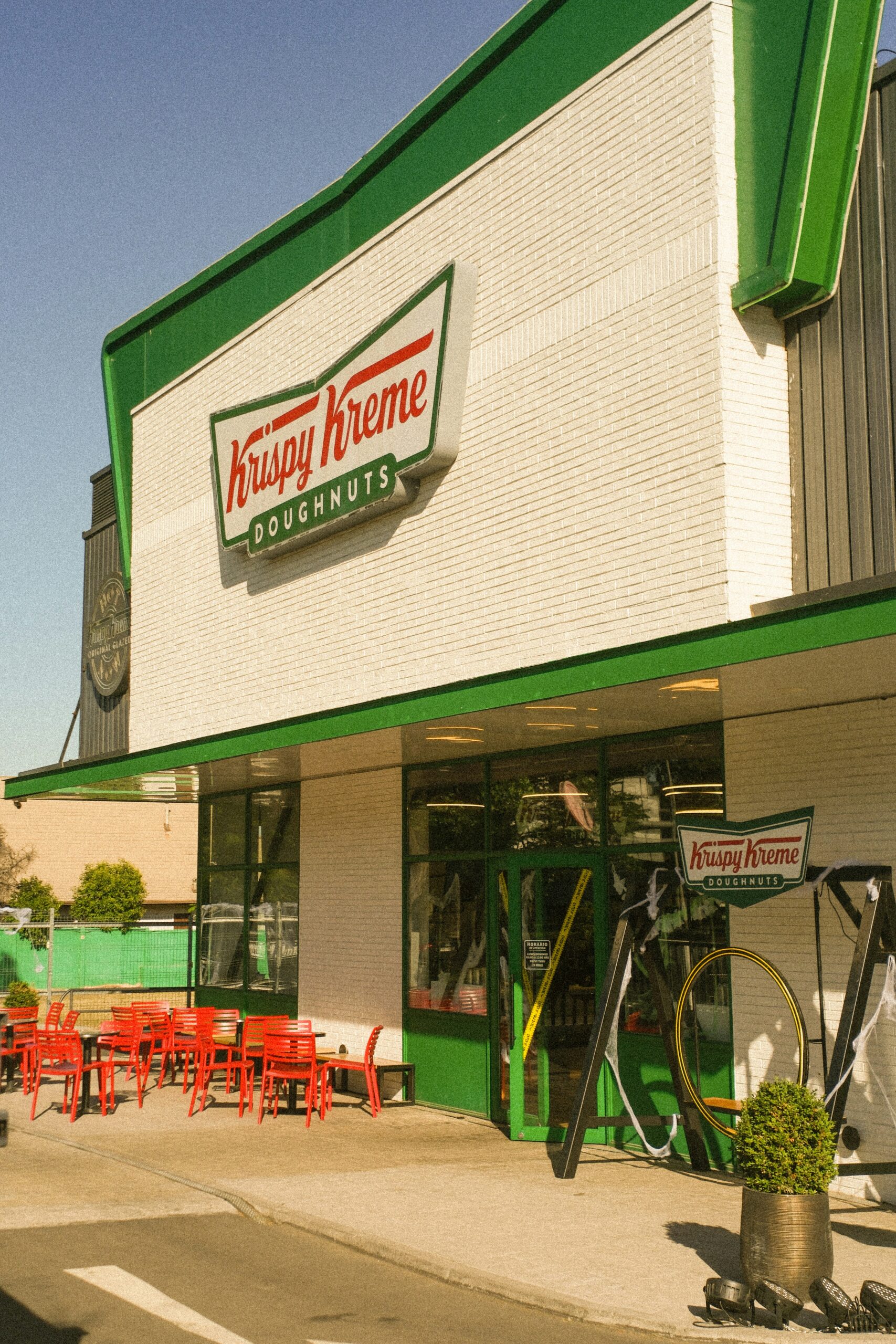
Understanding Chapter 11 Bankruptcy
Chapter 11 bankruptcy serves as a vital legal mechanism designed to assist businesses in financial distress. This type of bankruptcy allows companies, including doughnut chains and franchise operators, to reorganize their financial affairs while retaining operational control. The process provides protection from creditors, enabling the struggling business to continue its operations without immediate pressure from debt obligations.
When a company files for Chapter 11, it enters a reorganization phase where it must develop a feasible plan to repay creditors. This plan is typically crafted over a period of time, allowing the business to restructure its debts, negotiate with suppliers, and implement operational changes to improve profitability. During this time, the court supervises the process, ensuring that it adheres to legal guidelines, providing both oversight and support.
One of the key advantages of Chapter 11 bankruptcy is the automatic stay provision. This halts any collection efforts from creditors, giving the business the necessary breathing room to strategize its recovery without the threat of losing assets or being forced into liquidation. Retail franchises, such as doughnut shops, often face unique challenges due to factors like high competition, fluctuating customer preferences, and rising operational costs. Chapter 11 can offer these establishments the chance to address these realities effectively.
Reasons that may prompt a company to pursue Chapter 11 bankruptcy include financial mismanagement, shifts in market dynamics, or the impact of unforeseen expenses. For instance, many doughnut chains might suffer from declining sales linked to changing consumer trends or the recent rise in inflation leading to higher ingredient costs. Overall, Chapter 11 presents a legal avenue for recovery and reinvention, aiding businesses in navigating their way back to stability and growth.
The Consequences for Franchise Operators
The bankruptcy of a parent company can impose significant challenges on franchise operators, particularly in the doughnut industry. Franchisees typically invest substantial capital in establishing their locations and rely heavily on the brand recognition, marketing support, and supply chain management provided by the parent company. However, when a parent company files for Chapter 11 bankruptcy, this support can diminish dramatically, leading to operational instability for franchise operators.
One of the most immediate effects is the disruption of the supply chain for raw materials required for jack donuts production. As the parent company’s financial struggles unfold, suppliers may become hesitant to extend credit or deliver necessary ingredients, fearing they will not be compensated. Thus, franchise locations may face shortages of essential items like flour, sugar, and other ingredients vital for producing doughnuts. Such shortages can lead to inconsistencies in product availability and quality, which directly impacts customer satisfaction and sales.
Moreover, the uncertainties surrounding product delivery become heightened during bankruptcy proceedings. Franchise operators may find it increasingly difficult to maintain their usual operations, as unpredictable delivery timelines can disrupt daily business activities. For instance, doughnut shops that rely on timely deliveries for fresh ingredients might need to adjust their production schedules, potentially leading to excess inventory or unsold items due to inadequate supply. This situation not only affects profitability but may also strain relationships with customers who expect a consistent product.
Real-life examples further illustrate the struggle faced by franchises. Some operators have reported having to seek alternative suppliers, which may lead to increased costs and variability in product quality. In the face of these complications, franchise owners must navigate the complex landscape of financial uncertainty while striving to adapt their business models to maintain profitability and protect their investments in jack donuts. Overall, the ripple effects of a parent company’s bankruptcy create a challenging environment for franchise operators, testing their resilience and adaptability in the process.
Challenges in Doughnut Production and Supply Chains
The effects of Chapter 11 bankruptcy extend beyond just financial restructuring, influencing the very heart of doughnut production and supply chains. Franchise operators, particularly those specializing in jack donuts, face heightened logistical challenges that can significantly impact their overall operations. One critical area of concern is the sourcing of high-quality ingredients. Many suppliers may hesitate to engage with bankrupt franchises due to uncertainties regarding payment and long-term viability, leading to disruptions in the supply chain.
These disruptions force franchise operators to rethink their sourcing strategies. Some may seek out alternative suppliers, which can introduce variability in product quality and taste, ultimately affecting customer satisfaction. With loyal patrons expecting their favorite jack donuts, maintaining consistency during such transitional phases becomes vital yet challenging. Additionally, some franchises may be compelled to innovate by localizing their ingredient sourcing to reduce dependency on larger suppliers, which may lead to unexpected costs and logistical complexities.
As franchises navigate these hurdles, they often experience strain in their relationships with suppliers. Trust and reliability can diminish when the financial stability of a franchise is in question, causing suppliers to prioritize other customers. This situation may force franchise operators to adapt rapidly, sometimes leading to the exploration of new sourcing methods or production techniques. Some might consider investing in direct supplier relationships, while others might explore in-house production of key ingredients. Such changes can enhance the resilience of their supply chains, even in uncertain times. Ultimately, the journey toward stability in doughnut production post-bankruptcy challenges franchise operators to be more innovative and adaptive in their approaches, ensuring they continue to meet consumer demand for their beloved jack donuts.
The Future of the Doughnut Brand and Its Franchises
The recent announcement of Chapter 11 bankruptcy has cast a shadow over the future of many doughnut brands, including well-known chains and their franchise operators. The path forward for these establishments is fraught with uncertainty, as they navigate the complexities inherent in reorganization efforts. One potential outcome of this situation is an attempt to leverage the protective measures offered by bankruptcy to restructure the business. This could involve renegotiating leases, adjusting debt obligations, and refining operational strategies to optimize profitability. Such measures may help stabilize the brand and provide a renewed focus on the unique offerings of jack donuts.
Another possibility is that certain franchises may continue to operate but in a limited capacity. Clientele and brand loyalty will significantly influence whether these locations can sustain operations amidst reduced resources. During this period, maintaining the quality and reputation of products – particularly popular items like jack donuts – will be crucial for drawing customers back. Franchisees will need to focus on localized marketing strategies to retain existing customers while also attracting new ones. However, reliance on the parent company’s advertising support may waver, resulting in a heavier burden on individual operators.
Conversely, there remains a legitimate concern regarding the risk of permanent closure for some franchises. If the parent company fails to fulfill its commitments regarding advertising, marketing support, and product delivery, franchisees could find themselves isolated in their efforts to generate sales. Inadequate backing from the brand may lead to diminished value in the franchising opportunity, causing prospective investors to reconsider entering the market. Ultimately, how these factors evolve will have a significant impact on the viability of the brand and its franchise operators in the long run.

The PakSoil News Team is a dedicated group of journalists, editors, and analysts committed to delivering accurate, timely, and balanced news coverage. From politics and business to culture and community, we bring you stories that matter — verified, unbiased, and written with integrity.