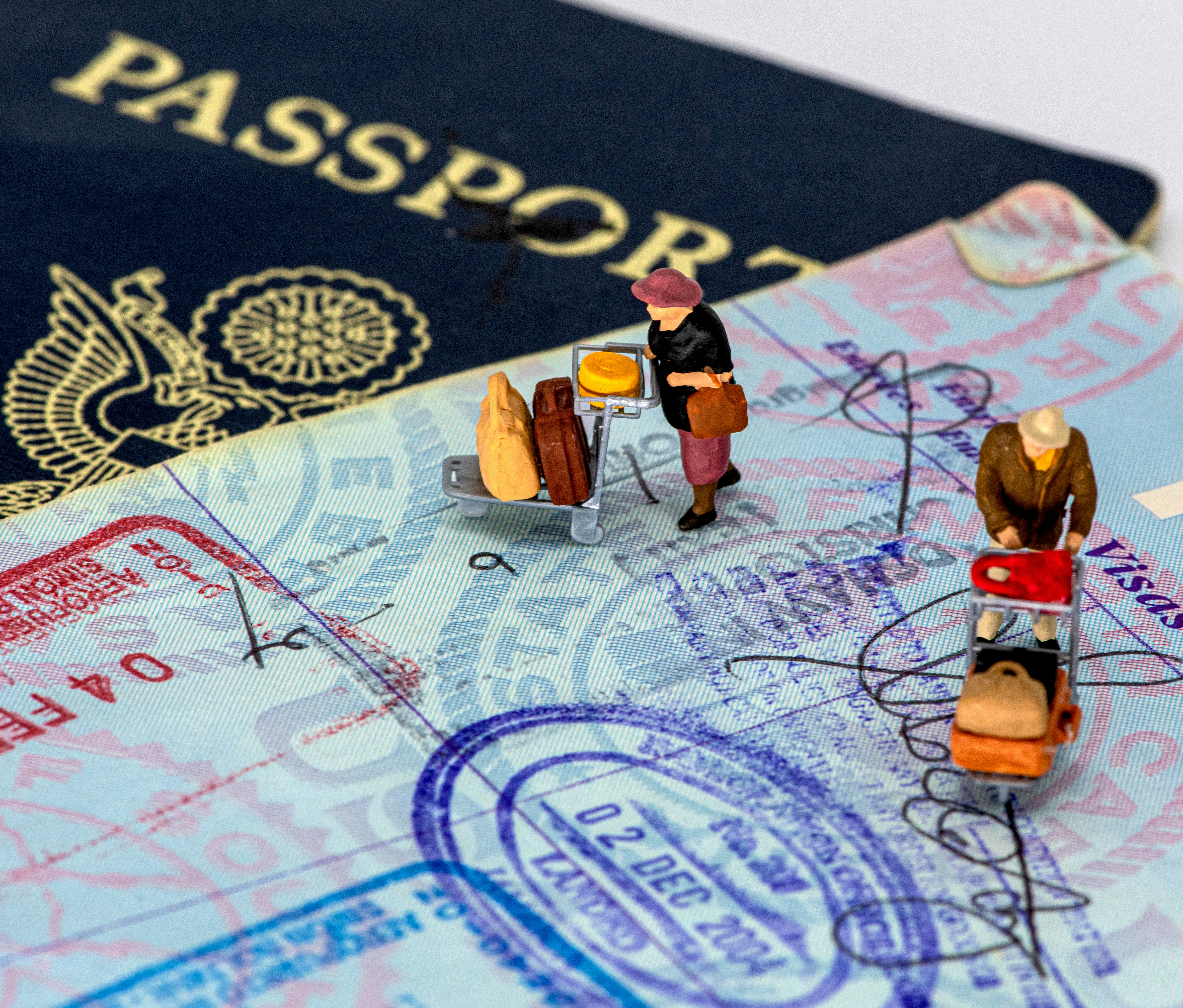
✈️ Passport Panic: Real Stories and Vital Tips to Save Your Holiday
The Importance of Passport Checks
Spring is blooming, summer is on the horizon, and travel plans are in full swing. But before you get swept up in the excitement of booking flights and planning excursions, there’s one crucial detail that could make or break your trip: your passport.
The HM Passport Office has issued a clear warning to Brits: check your passport now. And if you think this is just a formality, think again — real travellers have faced heartbreak at the airport for missing this simple step.
🚨 Why You Should Care
In a recent post on X (formerly Twitter), the HM Passport Office reminded holidaymakers to act early. The message linked to the official government site, where you can renew, replace, or update your passport online.
It’s a five-minute check that could save your entire holiday.
💔 Real-Life Passport Disasters
The Family Holiday That Never Took Off
The Thompsons from Birmingham were packed and ready for Portugal. But at check-in, they learned their son’s passport had expired. “We thought kids’ passports lasted ten years,” said Rachel. “We had to cancel everything.”
The Honeymoon That Didn’t Happen
James and Priya were headed to Venice for their honeymoon. But James’s passport had water damage from a spilled drink. “It looked fine,” Priya said, “but the airline refused to let him board.”
The Emergency Dash to Renew
Sophie from Leeds realized her passport was expiring days before her flight to Morocco. She paid for an emergency renewal and rushed to London for a same-day appointment. “It cost me a fortune,” she said, “but I made it.”
✅ The Three Golden Passport Checks
- Expiry Date
Many countries require at least six months’ validity beyond your travel dates. - Condition
Torn pages, water stains, or loose covers can lead to rejection. - Details
Changed your name or signature? Make sure your passport reflects it.
🧳 Tips from Seasoned Travellers
- Set a yearly reminder to check your passport in January.
- Keep a secure digital copy in case it’s lost abroad.
- Avoid peak renewal times — spring and summer are busy.
📌 Final Thought
Before you plan your outfits or dream about that first poolside cocktail, do the simplest thing first: grab your passport, open it up, and make sure it’s ready to go.
As summer approaches, travelers across the United Kingdom are preparing for much-anticipated holidays. This seasonal surge in travel illustrates the heightened desire for leisure and exploration that defines the summer months. However, amidst the excitement of travel planning, it is essential for British travelers to prioritize a critical component of their journey: ensuring that their passports are valid and compliant with all entry requirements.
The HM Passport Office has recently issued a warning alerting citizens about the rising number of passport-related issues that could impact their travel plans. As more individuals intend to fly abroad, the potential for complications increases, making it vital for travelers to conduct thorough checks on their passports well in advance of departure dates. A valid passport is not only necessary for international travel but also a significant determinant of one’s ability to cross borders without delays or disruptions.
Effective passport checks can prevent unfortunate scenarios such as being denied boarding due to expired or invalid documentation. The HM Passport Office recommends that individuals verify their passport’s expiration date and ensure that it meets the six-month validity rule, which applies to many destinations. Additionally, travelers should be aware of any specific entry requirements that different countries may impose, as regulations can vary significantly from one nation to another.
In light of this looming travel season, the emphasis on passport readiness cannot be overstated. By taking proactive steps to confirm passport status, British travelers can maintain their peace of mind and ensure a smooth travel experience, allowing them to fully enjoy their vacations without the added stress of travel document issues.
Check Your Expiry Date: Don’t Get Caught Out
One of the most critical steps for any traveler is to verify the expiration date of their passport well in advance of their journey. Many countries have specific entry requirements that mandate a passport to be valid for at least six months beyond the intended date of arrival. This requirement is not merely a formality; failure to meet it could result in denied boarding or entry at immigration checkpoints.
It is essential to understand that regulations can vary significantly from one destination to another. Certain countries, particularly those in the European Union, Asia, and the Americas, enforce strict policies concerning passport validity. Thus, travelers must proactively check their passports to avoid any disruptions to their travel plans. A lapsed passport or one that falls short of the six-month validity might lead to unforeseen circumstances such as canceled flights or unexpected return trips.
Moreover, travelers should also consider processing times for renewals, which can vary based on the time of year and demand. Typical wait times can range from a few weeks to several months, particularly during peak travel seasons when many individuals rush to obtain new passports. To mitigate any risks associated with passport expiry, it is prudent to renew your passport at least six months prior to travel during high-demand periods.
In light of these considerations, verifying your passport expiration date is not merely an administrative task; it is an essential component of responsible travel planning. Implementing this simple check will greatly reduce the likelihood of facing complications and will help ensure a seamless travel experience without the stress associated with possible last-minute crises.
Assessing Passport Damage: What to Look For
When preparing for international travel, evaluating the condition of your passport is a critical step that often goes overlooked. A damaged passport can lead to significant travel complications, including denial of entry into foreign countries or, worse, being unable to board your flight. Therefore, it is imperative that travelers take the time to thoroughly assess their passport for any signs of physical damage.
Common types of passport damage include tears, stains, and wear and tear around the edges. A passport should remain intact with all pages securely bound. If you notice any loose pages or a spine that appears to be weakening, it is essential to address these issues as soon as possible. Additionally, passports often have a cover that may be damaged; check for cracks or major creases. Any visibility of the underlying structure can indicate that your passport has suffered from improper handling or prolonged exposure to harsh conditions.
Another critical area to inspect is the biometric data page, where your photograph and personal information are located. The ink on this page should not be smudged or faded, as this can lead representatives to question the authenticity of the document. Furthermore, any significant water damage could also jeopardize the validity of the passport, making it necessary for travelers to seek a replacement if such issues are present.
In summary, evaluating your passport for any signs of damage before embarking on a journey is essential for ensuring a smooth travel experience. By being vigilant and proactive in assessing the condition of your passport, you can avoid potential complications and enjoy peace of mind as you prepare for your upcoming adventures. Remember, being diligent about passport care is an essential step for every savvy traveler.
Verify Your Personal Details: Accuracy Is Key
Ensuring that all personal information in your passport is accurate is a fundamental step for any traveler, particularly British citizens preparing for international journeys. Discrepancies between your passport details and government records can lead to significant travel disruptions, including denial of entry at borders. It is essential to take the time to review your passport information meticulously.
First, focus on verifying the spelling of your name. Common errors, such as typographical mistakes, can occur either during the application process or due to misunderstanding in documentation. Even minor discrepancies can raise questions at immigration points, leading to delays or, worse, being turned back. If you have undergone any legal name changes or have variations in name spelling, ensure these changes are reflected proactively in your passport.
Additionally, be vigilant about your date of birth, nationality, and gender, which must align with the records held by HM Passport Office and other official entities. These details are integral to confirming your identity and eligibility for travel. Any inconsistencies may suggest potential issues of identity verification, raising suspicions at border controls.
Furthermore, check the photo in your passport. It should accurately resemble your current appearance, as significant changes in looks can also result in complications during travel. Bear in mind that some countries impose strict identity verification standards; thus, making these adjustments before your journey is prudent.
In conclusion, verifying the accuracy of your passport’s personal details is a vital step in your pre-travel checklist. It will not only smooth your overall travel experience but also safeguard against potential inconveniences at international borders.
Renewing Your Passport: When and How to Do It
Renewing a passport is an essential process for any traveler planning to embark on international journeys. The UK Home Office recommends that individuals seeking to renew their passports should start the application process as early as possible, especially in anticipation of peak travel seasons such as summer. This foresight is crucial to ensure that your passport is ready for travel, particularly when the demand for renewals surges.
When considering passport renewal, applicants can choose to apply online or via a paper application form. Online applications are often more straightforward and quicker, allowing travelers to complete necessary steps from the comfort of their own homes. It is important to have all required documentation ready, including a recent passport photo, personal identification, and any previous passports to facilitate the process.
The typical processing time for passport renewals can vary. During off-peak seasons, the turnaround time is often around 10 weeks; however, as summer and holiday seasons approach, this duration can extend significantly. Heritage tourism and festive travel contribute to an increased number of applications, thus leading to potential delays. It is advised to monitor current processing times and submit your application well in advance to minimize the risk of travel disruption.
Lastly, it is advisable to check the validity of your passport prior to making any travel arrangements. Many countries require that your passport be valid for a minimum of six months beyond your date of entry. By ensuring that your passport is current and following the appropriate renewal procedures, you can travel with peace of mind, knowing that you have taken the necessary steps to avoid last-minute complications.
The Impact of Brexit on Passport Validity
The conclusion of the Brexit transition period has brought about significant changes in passport regulations, which may influence British travelers’ ability to travel to EU countries and beyond. Following the departure from the European Union, the importance of ensuring that your passport is valid for travel cannot be overstated. As per the new regulations, British passports now require specific validity periods that differ from the previous rules applicable to EU countries.
One of the main impacts of Brexit on passport validity is the necessity to have at least six months remaining on your passport from the date of entry into an EU country. Additionally, the passport must not be older than ten years. This means that if your passport is close to either of these limits, it is crucial to renew it before planning your summer travels to avoid any unforeseen complications.
Moreover, the European Commission has provided guidelines indicating that British travelers will no longer enjoy the same preferential treatment as EU citizens. This transition indicates that British passports will not have the same automatic border privileges previously enjoyed within the EU. Consequently, travelers must also be aware of the new immigration rules and regulations that might apply upon entry into EU nations.
Beyond EU borders, the implications of Brexit can vary widely by destination. Various countries may have their own specific entry requirements for British passport holders. Therefore, it is essential to verify each destination’s travel advisory and regulations concerning passport validity, ensuring compliance before departure. Also, keeping abreast of ongoing changes is vital, as laws and requirements can shift over time, impacting your travel plans. Take these factors into account to ensure smooth journey experiences this summer.
Government Resources: Where to Find Help
For British travelers looking for assistance with passport inquiries or related issues, the HM Passport Office offers a comprehensive range of resources. The official HM Passport Office website serves as a valuable starting point, providing crucial information on passport applications, including applying for renewals online.
Travelers are encouraged to visit the website to familiarize themselves with the necessary requirements and processes. The guidance provided covers everything from the documentation needed for first-time applications to the procedure involved in renewing a passport. For those applying online, the portal offers a streamlined approach that allows applicants to submit their documents quickly and efficiently, helping ensure timely processing.
In addition to the website resources, travelers may find it necessary to contact customer service for urgent inquiries. The HM Passport Office has made reaching out straightforward, with multiple contact methods available including phone, email, and social media. Ensure to check the contact information page for the most accurate details and customer service hours.
If you have a pressing issue or questions regarding your passport application, do not hesitate to utilize these resources. The staff is trained to assist with a variety of concerns, ensuring that travelers can receive the guidance needed to stay updated on their passport status before the summer travel season. Making use of these official resources can help travelers avoid delays or complications at the last minute.
Preparing for International Travel: Beyond the Passport
As summer approaches, many British travelers are eagerly planning their international trips. While ensuring the validity of your passport is undoubtedly crucial, there are several other essential preparations that should be made to ensure a smooth travel experience. One such preparation is acquiring comprehensive travel insurance.
Travel insurance is a vital component of international travel, as it provides coverage for unexpected events such as trip cancellations, medical emergencies, and lost luggage. Before embarking on your journey, it is advisable to review the policy’s details, including coverage limits and exclusions, to ensure that it aligns with your travel needs.
In addition to travel insurance, obtaining an international driving permit may be necessary for those who intend to drive abroad. This permit translates your driving credentials into multiple languages and is often required in many countries. It is best to check the specific driving regulations of your destination country well in advance to avoid any inconveniences.
Health considerations should not be overlooked when preparing for international travel. It is imperative to check for any health advisories, vaccination requirements, or other medical guidelines specific to your destination. This could include obtaining necessary vaccinations or packing essential medications. Additionally, staying informed about potential health risks can contribute to a safer travel experience.
Lastly, travelers should consider their currency exchange needs before departure. Familiarizing oneself with the local currency and exchange rates can aid in budgeting and financial planning while abroad. It is often advisable to obtain a small amount of local currency prior to departure, while also considering options for withdrawing cash at international ATMs to ensure access to funds throughout the trip.
In summary, ensuring a seamless travel experience encompasses more than just a valid passport. Careful preparation involving travel insurance, an international driving permit, adherence to health guidelines, and prudent currency management is essential for a successful international journey.
Conclusion: Don’t Take Risks with Your Travel Plans
As summer approaches, it becomes increasingly essential for British travelers to ensure that they are adequately prepared for their trips. In light of recent warnings from the HM Passport Office, it is crucial to remember the three key checks that will significantly reduce the likelihood of encountering issues during your travels. The implications of failing to check your passport’s validity, booking status, and any visa requirements could result in unforeseen complications that jeopardize your travel plans.
First and foremost, verifying your passport’s expiration date is a non-negotiable step that must be completed well in advance. Many countries require that passports have at least six months of validity beyond your intended travel dates. Overlooking this crucial detail can lead to denied boarding or entry into your destination country.
Additionally, confirming your travel bookings is another vital part of your travel preparations. A last-minute ticket change or accommodation switch may create unnecessary stress and could affect your entire itinerary. Ensure that all your bookings are accurate and up-to-date to avoid any surprises.
Finally, researching visa requirements for your destination ensures that you comply with entry regulations. Visa rules can vary significantly between countries, and without proper documentation, you might be turned away at the border. By taking these proactive steps, you can facilitate a smooth and enjoyable travel experience.
Therefore, as the summer travel season approaches, act promptly to carry out these checks. This approach not only solidifies your travel plans but also provides peace of mind, allowing you to focus on enjoying your trip without the weight of potential issues. Don’t take risks with your travel plans; be diligent in your preparations to ensure an enjoyable and trouble-free journey.

The PakSoil News Team is a dedicated group of journalists, editors, and analysts committed to delivering accurate, timely, and balanced news coverage. From politics and business to culture and community, we bring you stories that matter — verified, unbiased, and written with integrity.