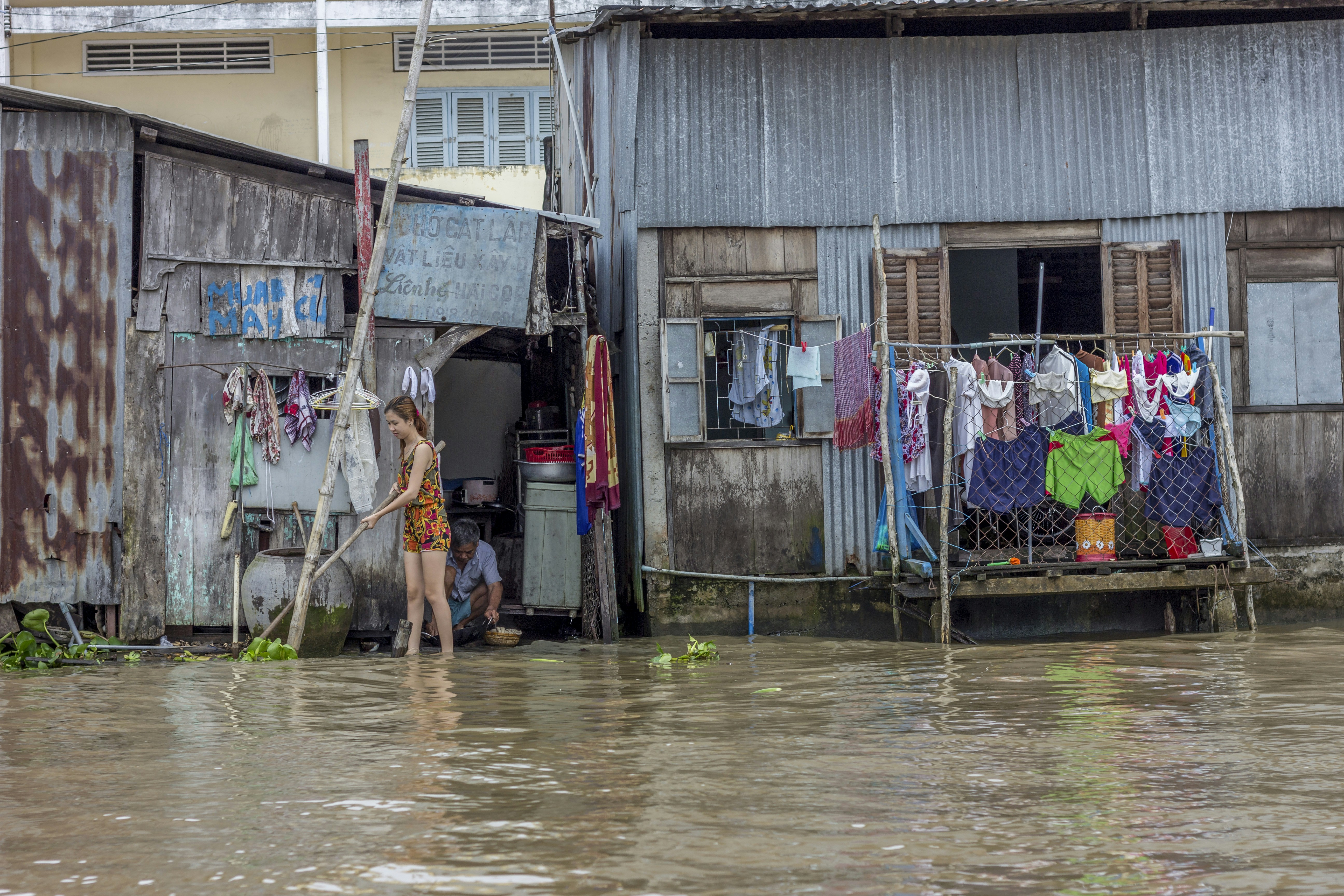
Overview of the Flooding Crisis
The recent catastrophic flooding in Asia has emerged as one of the most severe natural disasters facing the region, with countries such as Indonesia, Sri Lanka, Thailand, and Malaysia suffering immense devastation. The floods, triggered by a combination of continuous rain and inadequate drainage systems, have significantly impacted the lives of millions. Reports indicate that more than 1,140 individuals have tragically lost their lives as a direct consequence of the flooding, highlighting the urgency of the situation.
In addition to the loss of life, the floods have inflicted severe damage on infrastructure, including roads, bridges, and essential services, further exacerbating the crisis. Many communities have been cut off from vital resources, leading to desperate circumstances as residents struggle to secure food, clean water, and medical assistance. The scale of the disaster has necessitated emergency declarations across various affected regions, prompting local and national governments to initiate relief efforts.
The response from authorities has varied from one country to another, with some governments mobilizing quickly to coordinate rescue operations and provide aid. In regions where the flooding has caused widespread displacement, temporary shelters have been established to accommodate those who have lost their homes. However, despite these initiatives, the scale of the crisis remains daunting, complicating relief efforts due to ongoing adverse weather conditions and the sheer number of individuals requiring assistance.
The humanitarian implications of this flooding crisis are substantial, as entire communities face long-term repercussions. The destruction of agricultural land raises concerns about food security, potentially leading to increased prices and scarcity of essential goods. Furthermore, the psychological toll on affected populations cannot be understated, as survivors navigate the challenges of rebuilding their lives amidst these ongoing hardships.
Current Weather Conditions and Impacts
The recent weather conditions in Asia have had a profound effect on various regions, particularly in Tamil Nadu, India. The deep depression known as Ditwah, which has been downgraded from cyclone status, is currently bringing heavy rainfall to southern India. As a result, the persistent downpours have created an immediate crisis, leading to significant disruptions in daily life. The rainfall has intensified, causing local authorities to issue warnings about potential flooding, forcing residents to remain alert for rising water levels.
The implications of these weather conditions are severe. Reports indicate that flight cancellations have occurred between key locations such as Chennai and Port Blair, stranding travelers and complicating logistics within the region. These cancellations not only affect personal travel plans but also hinder the movement of goods and services, leading to economic repercussions. Consequently, businesses that rely on timely deliveries may face inventory shortages, further complicating the already challenging circumstances.
In addition to air travel disruptions, infrastructural challenges have compounded the situation. In West Sumatra, for instance, there have been widespread reports of disrupted electricity supplies. Such interruptions diminish the quality of life for residents, affecting their ability to access basic services, including food, healthcare, and communication. The resulting inconvenience places an added burden on communities already grappling with the aftermath of the weather disturbances, highlighting the broader implications of the current conditions.
The combination of heavy rainfall and infrastructural setbacks underscores the urgency of addressing these weather-related crises. Communities in the affected areas must navigate these challenges with resilience in the face of a weather system that wreaks havoc on lives and livelihoods. The ongoing situation demands vigilant monitoring and proactive measures to mitigate further impact as the region addresses the fallout from Ditwah.
Humanitarian Impact on Children and Education
The devastating floods across Asia pose a significant threat, particularly to children and their education. In regions such as Indonesia and Thailand, tens of thousands of children have found themselves out of school, a direct consequence of the destruction wrought by floods and landslides. Schools, which often serve as the backbone of a child’s education and social development, have been severely affected. Many educational institutions are damaged beyond repair, while others have been repurposed as shelters for displaced families, further complicating children’s access to learning environments.
The interruption of education presents immediate and long-term challenges. In the short term, children are missing out on crucial lessons and the opportunity to interact with peers, which are vital for their overall development. As these children become further detached from the classroom, the risks of lower educational attainment increase significantly, leading to a potential cycle of poverty and reduced opportunities in adulthood. Additionally, daily routines and the stability that school provides are essential for children’s mental health, making the loss even more devastating. The absence of education can lead to increased anxiety, depression, and feelings of hopelessness among children who have already experienced trauma due to natural disasters.
The humanitarian community faces an urgent need to address the educational crisis created by these floods. Support and recovery efforts must prioritize restoring educational facilities and providing alternative learning methods for affected children. Initiatives must be set in place to help these children reintegrate into the educational system, ensuring that they do not fall behind their peers. Programs focusing on trauma-informed education and mental health support will also be vital in helping children cope with the aftermath of such disasters. The long-term consequences of disrupted education can ripple through generations, making immediate action critical to safeguard the future of affected communities.
Root Causes and Climate Change Context
Asia has been increasingly witnessing devastating floods, which can largely be attributed to the interplay of various environmental factors, notably climate change and phenomena such as prolonged La Niña cycles. The La Niña phenomenon, characterized by cooler-than-average sea surface temperatures in the central and eastern Pacific Ocean, has been linked to the occurrence of intense rainfall in numerous Asian countries. As climate experts point out, these cycles significantly amplify the severity of monsoons, leading to unprecedented rain and subsequent flooding.
Climate change further exacerbates the situation, causing shifts in global weather patterns. The rise in average temperatures contributes to an increased frequency of extreme weather events, while the warming of oceans intensifies storms that already display the capacity for torrential downpours. As these storms gain strength, the likelihood of catastrophic flooding rises. For countries like Sri Lanka, emergency declarations have become more frequent due to such events, underscoring the dire necessity for effective disaster management strategies.
Experts assert that global warming is a critical factor in altering precipitation patterns across Asia, leading to higher risks of flooding. In many regions, rainfall may become more erratic, at times leading to extreme droughts, only to be followed by intense downpours, overwhelming river systems and drainage infrastructure. This creates a pressing need for enhanced preparedness and resilience within affected communities. The integration of climate adaptation strategies into disaster management can help mitigate the impacts of these natural disasters, ensuring that communities better withstand the effects of flooding.
As such, understanding the root causes of flooding through the lens of climate change is vital. It helps identify adaptive measures that not only respond to the immediate threats posed by flooding but also tackle the underlying vulnerabilities heightened by a changing climate.

The PakSoil News Team is a dedicated group of journalists, editors, and analysts committed to delivering accurate, timely, and balanced news coverage. From politics and business to culture and community, we bring you stories that matter — verified, unbiased, and written with integrity.

