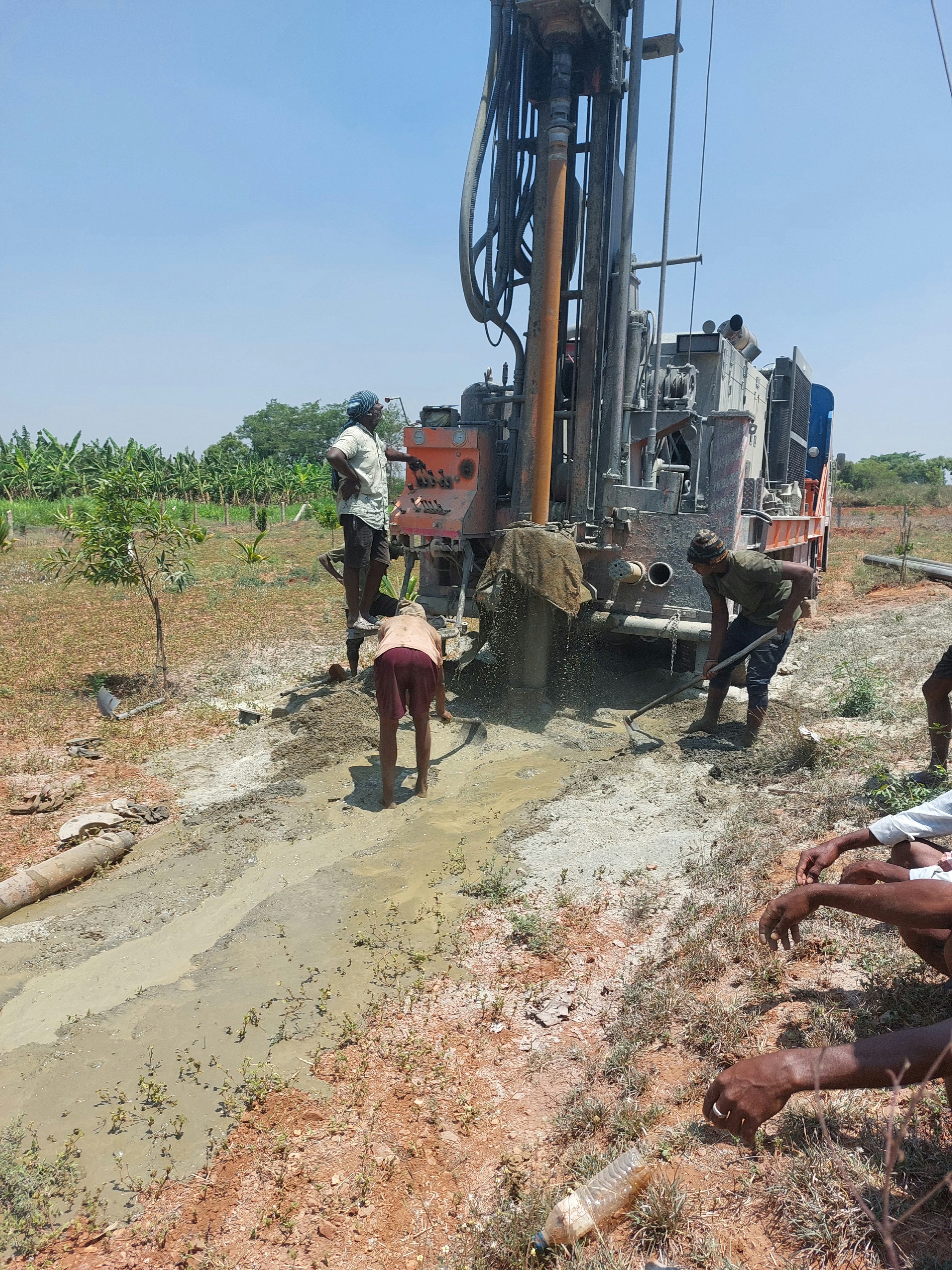
Introduction: The Crisis Beneath Our Feet
The sprawling metropolis of Karachi, home to millions, is experiencing a worrisome crisis that threatens not only its infrastructure but also the very survival of its residents. The phenomenon of the city sinking is increasingly attributed to illegal water boring activities that are rampant throughout the region. As these clandestine operations continue to proliferate, they are not only depleting the groundwater but are also exacerbating the issue of land subsidence, a condition where the ground sinks due to various factors, including excessive extraction of underground water.
The illegal water boring mafia operates with little regard for the law, exploiting the critical demand for water in a city that faces severe water shortages. This underground economy thrives in the shadows, driven by the desperation of residents seeking access to a vital resource necessary for their daily lives. Unfortunately, the methods employed by these unlawful operators often disregard safety and environmental protocols, leading to serious consequences for the population. As they bore deeper into the earth in search of water, the risk of properties collapsing or shifting increases, posing a significant danger to the lives of countless individuals.
The urgency of addressing the issue of Karachi sinking cannot be overstated. It is not merely a localized issue; the ramifications of unsustainable water extraction extend beyond property damage, affecting the environment and the ecosystem of the region. The implications are dire—if immediate action is not taken to curb illegal water boring and to implement more sustainable water management practices, the consequences could spiral out of control. Without an effective strategy to manage these activities, the city could face catastrophic challenges that hinder its development and pose risks to the lives of its inhabitants.
Understanding the Water Boring Mafia
The phenomenon known as the “water boring mafia” refers to a network of illegal operators in Karachi who exploit the city’s declining water resources for profit. As Karachi grapples with a severe water crisis, driven by rapid urbanization, population growth, and inefficient water management, the demand for water has increased exponentially. This rising demand has led to illegal practices, with many individuals turning to unregulated water boring as a solution, thereby contributing to the further depletion of aquifers.
Historically, Karachi has faced challenges in managing its water supply. The city’s infrastructure, which struggled to keep pace with its population growth, has led to a reliance on groundwater sources. The excessive extraction of groundwater has resulted in alarming issues, such as land subsidence and saltwater intrusion, making the situation more dire. The water boring mafia operates in this context, capitalizing on the desperation of residents who are unable to access safe and sufficient potable water through conventional means.
Key figures within this mafia often include those who possess both local influence and technical knowledge about drilling. Operating with little to no oversight, these individuals provide what they purport to be quick solutions to water scarcity, often at exorbitant prices. Their operations typically take place without any permits, circumventing regulations designed to protect vital water resources. The impact of their activities extends beyond mere profit; by tapping into underground aquifers indiscriminately, they exacerbate the environmental challenges surrounding water availability and contribute to the larger issue of Karachi is sinking under its water crisis.
Local communities find themselves caught between the need for immediate access to water and the long-term repercussions of unregulated practices. This complex dynamic illustrates not only the motivations behind the water boring mafia but also the urgent need for sustainable water management solutions in Karachi. The implications of ignoring this issue are severe, making it crucial for authorities to address both the nexus of illegal water extraction and the systemic failures that allow it to flourish.
Impact on Karachi’s Infrastructure and Environment
The phenomenon of illegal water boring in Karachi presents significant challenges that go beyond immediate water supply concerns. One of the most alarming effects is the detrimental impact on the city’s infrastructure. Excessive water extraction has led to a significant decrease in the water table, which is resulting in severe cases of subsidence in various regions of the city. This geological instability poses a direct threat to buildings and roads, making them more susceptible to collapse. The risk of subsidence is particularly pronounced in older parts of the city, where the foundations were not designed to withstand such fluctuations in underground water levels.
In addition to structural damage, this rampant water extraction is contributing to an environmental crisis in Karachi. As the water table drops, the concentration of salts and pollutants in the remaining groundwater increases, leading to a decline in the quality of this essential resource. The illegal water boring mafia is not only depleting a vital natural resource but is also exacerbating pollution levels within the aquifers. This deterioration affects not only human consumption but also the ecosystem, as plants and wildlife reliant on groundwater are suffering from the diminishing supply.
Furthermore, the cavernous voids created by excessive boring leave the land more prone to flooding during the monsoon season, resulting in increased waterlogging and erosion. These environmental and infrastructural impacts of illegal water boring underscore the urgent need for comprehensive policies to regulate water extraction practices in Karachi. The city is sinking, and addressing the activities of the illegal water boring mafia is crucial for preserving both the safety of its residents and the integrity of its natural environment.
Eyewitness Accounts: Citizens Under Threat
As Karachi is sinking due to severe groundwater depletion, many residents have voiced their concerns regarding the activities of the illegal water boring mafia. Their stories paint a grim picture of the ongoing battles for survival in a city that finds itself at the mercy of exploitative practices. One local resident, Ahmed Khan, shared his harrowing experience: “I stood up to the water mafia when they set up shop near our community. Their machines were polluting the area, and when I confronted them, I received threats that left me paralyzed with fear. It’s terrifying to think that standing for what’s right could lead to such retaliation.”
Another eyewitness, Sara Malik, recounted how her neighborhood has suffered since the water mafia extended its reach. “Our wells started running dry, and with each passing day, we felt the ground beneath us collapsing. When I tried to alert the authorities, I was warned to back off. It feels like living in a war zone; the water mafia operates unchecked, and anyone who challenges them suffers consequences. My neighbor’s home was bombarded with intimidation tactics when he attempted to resist their illegal operations. It shook our entire community,” she stated.
These accounts reveal the deep-seated fear among residents as Karachi is sinking, not merely due to the natural disaster of dwindling water resources but also due to human greed. Many locals contend that the rise of the water boring mafia has triggered a domino effect, where fear has silenced countless citizens. “We are afraid to speak up, and sadly, many have accepted this as our fate. The stakes have never been higher, and we are left powerless as witnesses to our city’s demise,” expressed Tariq Hussain, who has seen friends and family endure similar threats.
In conclusion, the narratives of these brave individuals highlight the existential threats faced by Karachi’s residents as they grapple with the dual challenges of illegal operations and environmental degradation. Their compelling accounts provide critical insight into the societal implications of the crisis, underscoring the urgent need for action against the water boring mafia.
Inaction of Authorities: A Broken System
The situation regarding the illegal water boring mafia in Karachi illustrates a glaring failure within the local governance and law enforcement agencies tasked with maintaining public order. Despite numerous complaints lodged by affected residents, the authorities have displayed a concerning degree of inaction. Instances of engaging law enforcement officers, including the police and rangers, have frequently resulted in a lack of meaningful intervention. This persistent negligence effectively enables the illegal operations to flourish, exacerbating the already critical issue of Karachi sinking.
The impact of non-responsive authorities is profound. Several neighborhoods that have reported illegal water boring activities often receive little to no follow-up from local law enforcement. Residents recount instances where they have lodged complaints only to witness no visible action taken against the culprits. The police, who are primarily responsible for addressing such grievances, often cite a lack of resources or jurisdiction as reasons for their failure to act. This excuse highlights systemic issues within the broader framework of governance and law enforcement in Karachi, where accountability appears to be overshadowed by inefficiency.
Moreover, the reluctance of local authorities to tackle the water boring mafia is particularly alarming given the urgency of the situation. Karachi is sinking due to various factors, including over-extraction of groundwater facilitated by these illegal operations. The authorities’ inaction not only strengthens the grip of the water mafia but also diminishes public trust in the very systems meant to protect citizens and their resources. Communities are left vulnerable, facing both environmental degradation and potential socio-economic ramifications, as unsustainable practices are allowed to proceed unchecked.
Addressing the issue of the illegal water boring mafia thus necessitates a robust and proactive response from authorities. This response should not only involve immediate action against the perpetrators but also long-term solutions to ensure the sustainability of Karachi’s water resources.
The Role of Karachi Water and Sewerage Company (KWSC)
The Karachi Water and Sewerage Company (KWSC) plays a crucial role in managing the water supply for one of the largest metropolitan areas in Pakistan. Tasked with ensuring the provision of potable water and effective wastewater management, KWSC is responsible for safeguarding the water resources of Karachi. However, the rampant illegal water boring activities have severely compromised these responsibilities, leading to a dire situation where Karachi is sinking due to depleting aquifers and unregulated water extraction.
Despite its essential role, KWSC has faced significant challenges in monitoring and regulating groundwater extraction. The prevalence of the illegal water boring mafia undermines KWSC’s efforts, as these individuals dig unauthorized wells without any regard for the sustainable management of water resources. This has resulted in the over-extraction of groundwater, further exacerbating Karachi’s water scarcity issues. KWSC is expected to implement effective measures to tackle this issue, but reports suggest that their response has been inadequate, often hampered by bureaucratic inefficiencies and a lack of resources.
Furthermore, the KWSC has encountered criticism for not effectively raising public awareness regarding the repercussions of illegal water boring. Instead of mobilizing the community to curb these activities, the organization has often turned a blind eye, which has allowed the situation to deteriorate. It is evident that KWSC needs to enhance its operational capabilities and create a strategic plan to address the illegal activities threatening Karachi’s water supply.
In essence, while KWSC holds a pivotal position in managing Karachi’s water resources, its failures in regulating illegal water boring reflect a broader systemic issue. The consequences of inaction resonate through the city, leaving residents at risk and contributing to the alarming reality that Karachi is sinking.
The legal framework governing water rights and illegal drilling in Karachi is significantly flawed, contributing to the worsening situation where Karachi is sinking. Various laws and regulations exist to control water extraction and conserve groundwater resources; however, their enforcement is lacking. A primary challenge lies in the decentralized nature of water governance. Different authorities oversee water management, leading to a lack of coherence in policy application and enforcement. For instance, while the Sindh Water Management Ordinance sets out provisions regarding groundwater extraction, local enforcement agencies often lack the capacity or resources to monitor illegal activities effectively.
Additionally, bureaucratic indifference and corruption further exacerbate the problem. Reports suggest that illegal water-boring activities are often overlooked by officials, either due to bribery or a lack of political will to confront the powerful interests of the water boring mafia. This creates an environment where illegal boreholes proliferate, leading to the rapid depletion of already scarce groundwater resources. Such scenarios illustrate how inadequate legal frameworks fail to address the gravity of the issue, as the current laws do not impose stringent penalties for violators. Consequently, the existing framework fosters an ecosystem that allows illegal drilling operations to thrive.
To improve the situation, a comprehensive reassessment of laws surrounding water rights is necessary. This could involve tightening regulations and enhancing penalties for illegal drilling activities while also ensuring that monitoring agencies are empowered and equipped. Additionally, public awareness campaigns can play a crucial role in educating citizens about the implications of illegal water extraction, particularly in areas that are already facing severe water scarcity. Reforming the legal framework surrounding water use in Karachi is vital to addressing the factors leading to the city’s alarming subsidence problem.
Community Responses and Resistance Efforts
The alarming situation of Karachi sinking has prompted residents to unite against the encroaching threats posed by the water boring mafia. This reaction is fueled by the increasing awareness among local communities regarding the severe implications of unchecked water extraction. To counteract this challenge, various community initiatives have emerged, reflecting a collective determination to protect both their homes and the integrity of their neighborhoods.
Organizing themselves into grassroots movements, residents have begun to lobby local authorities to take action against illegal water boring operations. Community leaders are spearheading awareness campaigns that highlight the irreversible damage caused by these activities, which are not only depleting resources but also exacerbating the sinking crisis of Karachi. By holding informational sessions and utilizing social media platforms, they aim to educate their neighbors about the environmental impact of excessive groundwater extraction.
As part of their resistance efforts, residents have initiated community patrols to monitor potential illegal boring activities. These patrols have become essential in documenting infractions and reporting them to the relevant authorities, thus fostering a sense of vigilance within the community. Furthermore, local activists are collaborating with environmental NGOs to gather data and evidence that can support their cause, amplifying the urgency of the situation.
Through these proactive measures, the residents of Karachi are not merely passive witnesses to their city’s decline; they are becoming champions of sustainable practices. By advocating for water conservation and responsible management, they seek to ensure a viable future for their neighborhoods amidst the troubling reality of Karachi is sinking. Their active engagement exemplifies the power of community initiatives in combating systemic issues that threaten the welfare of local populations.
Conclusion: A Call to Action
The alarming crisis of Karachi is sinking stems largely from the unchecked activities of the illegal water boring mafia, which has led to significant groundwater depletion. The expanding impact of this situation not only threatens the infrastructure and ecosystem of the city but also places countless lives at risk. The issue transcends mere environmental concerns; it poses a severe threat to public health and socioeconomic stability for the millions of inhabitants relying on a stable water supply. Without immediate intervention, the situation may deteriorate further, affecting not just Karachi but potentially setting a precedent for similar crises in other urban centers.
Addressing this urgent crisis requires a collective effort from all segments of society. It is imperative that the citizens advocate for change and support local activists who are raising awareness and pushing for policy reforms. Activism can take many forms—from participating in community meetings and city forums to utilizing social media platforms for broader engagement. By consolidating efforts, we can amplify our voices, making them heard by the authorities who have the capability to effect change.
Moreover, public pressure is essential in demanding accountability from government bodies responsible for regulating water extraction and protecting the city’s resources. Authorities must be urged to enforce stricter regulations against illegal water boring operations, as well as to invest in sustainable water management systems. Attaining a balance is crucial; the natural aquifers must be preserved for future accessibility. As residents of Karachi, it is our duty to act responsibly in advocating for sustainable practices and to hold those in power accountable. Only through united action can we hope to reverse the dangerous trend of Karachi is sinking, safeguarding the future of this vibrant city and its inhabitants.
The PakSoil News Team is a dedicated group of journalists, editors, and analysts committed to delivering accurate, timely, and balanced news coverage. From politics and business to culture and community, we bring you stories that matter — verified, unbiased, and written with integrity.