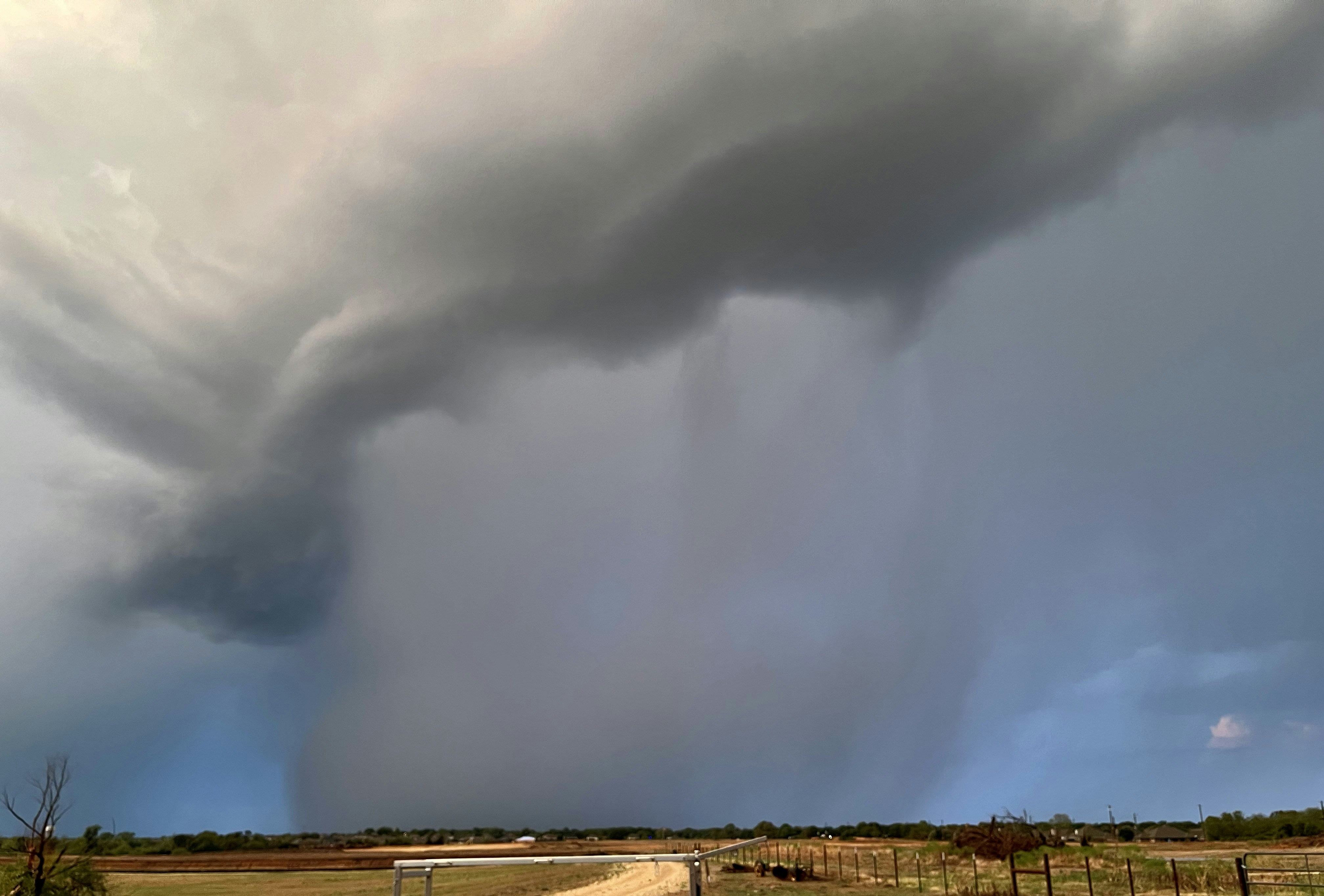
Overview of Storm Dave
Storm Dave has garnered attention due to its designation by the Met Office, illustrating a significant weather event that aligns with specific criteria for such classification. The naming of storms by meteorological services is a systematic approach to help inform citizens about impending severe weather conditions, thus enabling better preparation and response strategies. Storm Dave has been identified as a storm due to the expected high winds, heavy rainfall, and potential for disruption in various regions.
This Easter weekend, the anticipated weather conditions associated with Storm Dave are expected to be particularly severe. Meteorological forecasts indicate that a combination of low pressure systems will lead to intense weather patterns, with wind gusts potentially reaching upwards of 70 miles per hour in affected areas. This level of wind strength, along with heavy rainfall, poses risks such as flooding, road disruptions, and damage to properties.
The classification of Storm Dave as a significant weather event reflects the seriousness of the impending conditions. The Easter holiday, typically characterized by family gatherings and travel, is coinciding with this storm. Thus, authorities advise individuals to stay informed via official weather announcements and to exercise caution if traveling during this time. Communities are urged to prepare for significant impacts, including disruptions in services and potential electrical outages due to the high winds. As the storm approaches, monitoring the latest updates from the Met Office will be critical for public safety and awareness.
Weather Forecast: Impacts and Areas Affected
This Easter weekend, the UK is bracing for the effects of Storm Dave, which has prompted the issuance of yellow weather warnings across several regions. Scotland, Northern Ireland, Northern England, and North Wales are among the areas expected to experience significant weather disturbances. The storm is forecasted to bring strong gales and heavy snowfall in certain locations, which could lead to challenging travel conditions and potential disruptions to daily life.
In Scotland, regions such as the Highlands and the Southern Uplands are particularly vulnerable, where gusts could reach up to 60 mph, potentially causing uprooted trees and damage to structures. It is advisable for residents to stay updated on local alerts and take necessary precautions as blizzard-like conditions are anticipated, especially in higher elevations.
Northern Ireland is also under scrutiny, with warnings indicating intense winds and scattered snow showers. The northern coastline may face the brunt of the storm, and local authorities are preparing for possible flooding and road blockages. Travellers should consider alternative plans and avoid non-essential journeys during peak storm conditions.
Moving to Northern England, areas such as the Pennines and parts of Yorkshire may be significantly impacted. Authorities are expecting the weather to cause hazardous travel scenarios, particularly on rural roads, where snow accumulation could quickly render them impassable. Warnings are in place for heavy rain and potential flooding in lower-lying areas as well.
Finally, North Wales is not exempt from the effects of Storm Dave. Winds are likely to reach a similar strength as those predicted in Scotland, with coastal areas facing further threats from high waves and rough sea conditions. All affected regions are encouraged to remain vigilant and adhere to meteorological updates to manage risks associated with this severe weather event.
The Science Behind Storm Dave
Storm Dave represents a significant meteorological event, characterized by complex interactions within the atmosphere that contribute to its development. One of the primary factors influencing Storm Dave is the position and dynamics of the jet stream, a fast-moving air current high in the atmosphere. The jet stream plays a crucial role in weather patterns, as its waves help steer and develop low-pressure systems. In recent weeks, a particularly sharp trough in the jet stream has formed, allowing for colder air from the north to interact with warmer air masses from the south.
This interaction between contrasting temperatures is essential for the genesis of low-pressure systems. As cold air begins to collide with warmer air, significant lifting occurs, which leads to the condensation of moisture and the development of clouds and precipitation. In the case of Storm Dave, this phenomenon has been exacerbated by the presence of a deep area of low pressure that is rapidly moving across North America and into the Atlantic Ocean, towards the UK.
Additionally, the unique geography of the North Atlantic plays a role in amplifying storm systems. As the low-pressure area approaches the UK, it is likely to encounter the warm waters of the Gulf Stream. This warm water can intensify the cyclone’s development, increasing the potential for heavy rain, strong winds, and other related weather impacts. The result is a storm system that has the capacity to bring a variety of severe weather conditions over the Easter weekend, especially as it interacts with existing weather patterns over Europe.
Understanding the meteorological phenomena behind Storm Dave not only sheds light on its impending effects but also highlights the intricate workings of our climate system. As we further analyze these interactions, we become better equipped to prepare for the impacts this storm may bring.
Wind Forecast: Speeds and Implications
This Easter weekend, the anticipated impact of Storm Dave is characterized primarily by significant wind speeds across various regions. Meteorological reports indicate that we can expect wind gusts ranging from 40 to 70 miles per hour in affected areas, with isolated locations potentially experiencing even higher gusts. This intensity of wind can lead to several concerning implications.
A considerable concern is the potential for property damage. With such strong gusts, trees may uproot or branches could snap, posing a threat to homes and vehicles alike. Roofs are at risk as well, particularly those that are aging or already compromised. Homeowners should take precautionary measures, such as securing outdoor items like patio furniture and decorations, which can become hazardous projectiles in high winds.
The implications extend beyond direct property damage. The wind speeds expected this weekend are likely to disrupt power supplies across the regions. Power lines can easily be downed or damaged due to falling trees or debris. As seen in past storms, such disruptions can lead to extended outages, affecting heating and lighting during the often chilly Easter period. Residents are therefore encouraged to prepare for such possibilities by stocking up on essentials, including non-perishable food and backup power sources if available.
Moreover, the strong winds will inevitably affect travel conditions. High-profile vehicles, such as trucks and buses, may find it challenging to maintain stability on the roads, potentially leading to hazardous driving conditions. Furthermore, flight delays or cancellations could be anticipated at airports, particularly in areas where crosswinds are severe. Those planning travel during this Easter weekend should stay informed of local forecasts and travel advisories.
Snow Forecast: Timing and Accumulation
As Storm Dave approaches during this Easter weekend, the weather forecast indicates significant snowfall in various regions. Meteorologists project that snow will start accumulating late Friday evening, with the heaviest precipitation expected overnight into Saturday morning. The regions most likely to experience substantial snowfall include higher elevations, particularly in the northeastern and central United States, where total accumulations could reach upwards of 8 to 12 inches in some areas.
Areas closer to the coast may experience mixed precipitation, leading to lower snow totals, but critically strong winds associated with this storm system could exacerbate already challenging conditions. Wind gusts are anticipated to reach as high as 50 mph in some places, which, coupled with the snowfall, could result in blizzard-like conditions and severely reduced visibility. This combination poses risks for travelers and those contemplating outdoor activities during the holiday weekend.
Moreover, local authorities are advising residents to prepare for possible power outages due to fallen trees and downed power lines resulting from the high winds. The snow’s weight, combined with gusty conditions, can also lead to hazardous driving conditions, making it essential for individuals to stay informed about real-time weather updates and road closures. In summary, the interplay of snow and winds from Storm Dave will likely create a challenging environment throughout the Easter weekend. It is advisable for communities to take precautionary measures ahead of the storm, ensuring safety and preparedness in light of the anticipated adverse weather conditions.
Public Safety and Preparedness Tips
As Storm Dave approaches, it is paramount for individuals and families to proactively prepare for potential hazards brought about by high winds and snow. Awareness of the conditions and taking appropriate steps can significantly enhance safety during this weather event. Here are several recommendations to ensure public safety and effective preparedness.
Firstly, it is essential to monitor weather updates through reliable sources, such as the National Weather Service, to stay informed about the storm’s trajectory and intensity. Having a reliable weather app or tuning into local news channels can provide timely alerts and information. This knowledge allows communities to evaluate the severity of the storm and make informed decisions.
One of the foremost safety measures involves securing outdoor furniture, decorations, and any loose objects that could become hazardous projectiles during high winds. Residents should also examine their property for weak branches or debris that might fall, risking injury or damage. It may be advisable to store vehicles in garages or sheltered spaces to minimize risks from falling tree limbs or severe snow accumulation.
In light of possible travel disruptions due to snow accumulation, individuals are advised to avoid unnecessary travel. If travel is unavoidable, it is prudent to keep an emergency kit in the vehicle, which should include water, non-perishable snacks, blankets, and a flashlight. Additionally, it is critical to ensure that the car is equipped with a full tank of gas and functioning tires to navigate adverse conditions effectively.
Lastly, having a designated shelter space within the home is vital for safety in the event of power outages caused by the storm. A supply of essentials, such as batteries, flashlights, and sufficient food and water, should be arranged beforehand to facilitate comfort and safety during the storm’s peak.
Travel Disruptions: What to Expect
As Storm Dave approaches during Easter weekend, individuals planning to travel should prepare for significant disruptions across various modes of transportation. Due to adverse weather conditions, it is anticipated that road travel will be severely impacted, particularly in regions facing heavy rain, strong winds, and potential flooding. Drivers are advised to check local road conditions and remain updated on traffic reports before embarking on planned journeys. Furthermore, it is wise to consider alternative routes, especially in areas known for prone flooding or road closures.
Rail services are also likely to face interruptions as the rail operators have warned about potential delays and cancellations stemming from Storm Dave. The storm’s winds can lead to debris on tracks, while heavy rainfall might affect infrastructure stability. Passengers planning to travel by train should regularly consult the National Rail Enquiries website or their respective train operator’s social media channels for the latest travel updates. Implementing flexible travel plans will be advantageous, allowing for changes if necessary.
Air travel remains at risk due to Storm Dave, with the strong winds and adverse weather conditions leading to increased flight delays and cancellations. Airports have been known to implement safety measures, which may include reducing the number of flight operations or rerouting incoming flights. Passengers scheduled to fly over the Easter weekend should contact their airlines for the most accurate and current information regarding flights. Additionally, checking the airport’s official website can provide updates on security wait times and operational conditions.
In conclusion, proactive planning and awareness of evolving conditions are essential for those traveling during Storm Dave. By staying informed through reliable resources, travelers can navigate potential disruptions more effectively.
Comparative Analysis with Past Storms
Storm Dave, set to impact the UK this Easter weekend, has drawn comparisons with several historical storms that have affected the region. Notably, its intensity and weather patterns have been analyzed alongside previous events such as Storm Ciara and Storm Dennis, both of which created significant disruptions across the country.
Beginning with Storm Ciara, which hit the UK in February 2020, its wind speeds reached up to 97 mph and it brought heavy rainfall leading to widespread flooding. Similarly, Storm Dave exhibits potential for high wind gusts, forecasted to peak around 80 mph in certain areas. The atmospheric conditions leading to these storms appear somewhat analogous, with low-pressure systems contributing to their development, but Storm Dave is anticipated to deliver more localized rainfall rather than the extensive flooding experienced during Ciara.
Moreover, comparing Storm Dave with Storm Dennis reveals further insights into its characteristics. While both storms emerged from a series of deep low-pressure systems, Storm Dennis was particularly notable for its prolonged heavy rains, which resulted in significant flooding and infrastructure challenges. In contrast, early forecasts suggest that although Storm Dave may bring bouts of rain, the primary concern lies in the potential for damaging winds rather than sustained downpours.
Another frequent aspect of storm analysis involves the geographical impact. Storm Ciara caused major issues across much of England and Wales, whereas Storm Dennis predominantly affected southern regions. Early assessments suggest Storm Dave may follow a more northerly trajectory, impacting Scotland and Northern England, thereby highlighting the variability in storm paths.
Thus, while Storm Dave shares characteristics with notable past events, its distinct path and potential impacts suggest a unique profile that warrants careful monitoring as the Easter weekend approaches.
Looking Ahead: The Easter Weekend Beyond the Storm
As we emerge from the impacts of Storm Dave, the focus will inevitably shift towards the weather forecast for the remainder of the Easter weekend. Meteorologists are currently analyzing data to provide insights into what can be expected once the storm clouds dissipate. It is anticipated that following the storm’s departure, there may be a marked shift in conditions, possibly ushering in warmer spells interspersed with rain showers.
After the turbulence brought on by Storm Dave, forecasts suggest that the weather may stabilize, leading to a gradual increase in temperatures. This warming trend could offer a pleasant respite for families and friends looking to enjoy Easter weekend activities outdoors. However, it is essential to remain vigilant, as meteorological predictions indicate that scattered downpours could interrupt sunny periods, creating a mixed bag of weather conditions.
The transition to warmer temperatures might enhance the chances of experiencing typical spring weather patterns. Such fluctuations are not unusual this time of year, considering that the shift from winter to spring can often lead to unpredictable weather. It is wise for individuals planning outdoor festivities to stay updated on local weather alerts, as conditions can change rapidly.
In light of these forecasts, it would be prudent to prepare for varying scenarios during the weekend. While some locations may bask in delightful sunshine, others could face sudden rain showers, thereby necessitating a flexible approach to planning. Whether one opts for indoor celebrations or ventures outside, keeping an eye on the evolving weather will be crucial for enjoying the Easter holiday to the fullest.

The PakSoil News Team is a dedicated group of journalists, editors, and analysts committed to delivering accurate, timely, and balanced news coverage. From politics and business to culture and community, we bring you stories that matter — verified, unbiased, and written with integrity.