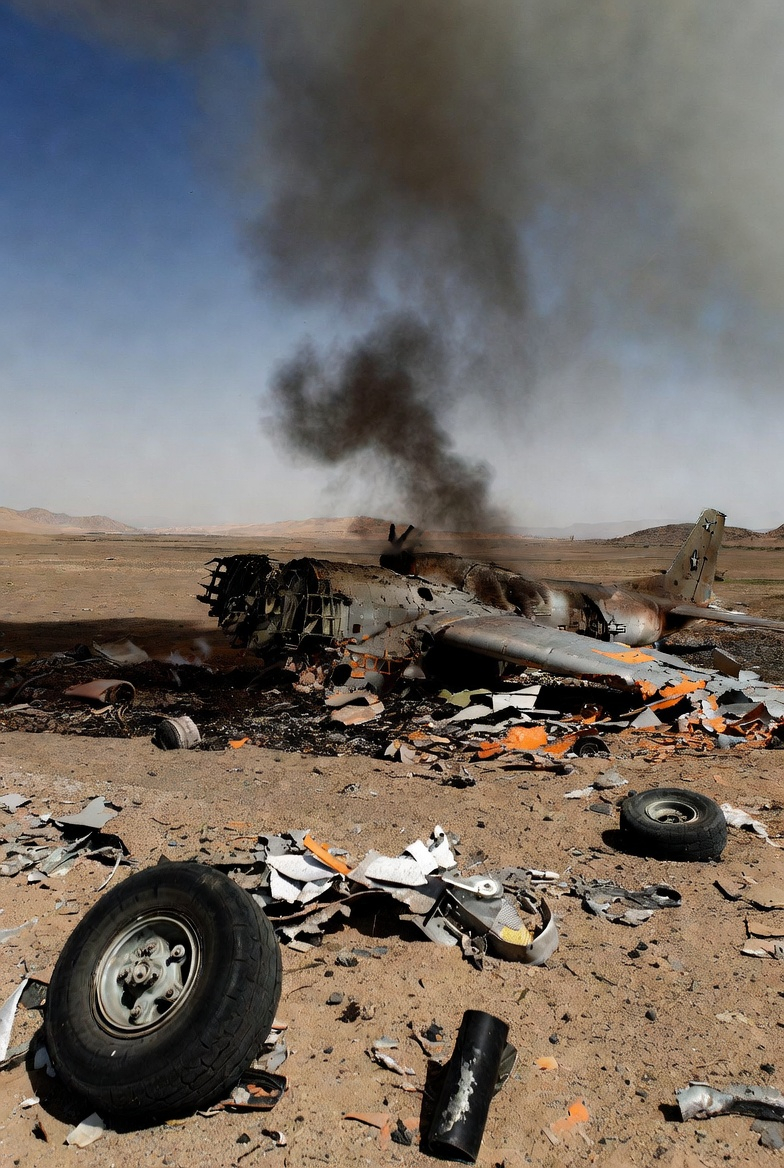
Overview of the Incident
All six crew members have died after a US military refueling plane crashed in western Iraq.
The KC-135 aircraft went down around 2 p.m. on 12 March, according to US Central Command (CENTCOM), which oversees American military operations in the Middle East. Rescue efforts for the two other crew members are still underway.
CENTCOM confirmed that the crash was not caused by hostile or friendly fire. Another aircraft involved in the mission landed safely.
The identities of the fallen service members are being withheld for 24 hours to allow their families to be notified.
The incident occurred in an unpopulated area, which likely minimized the risk of collateral damage to civilians or property on the ground. Eyewitness accounts describe a loud explosion followed by a fireball rising into the night sky, marking the devastating moments of the crash. Emergency responders were deployed swiftly to the scene as attempts were made to contain the fire and secure the wreckage for further analysis. This incident has raised concerns regarding the safety protocols and operational integrity of aerial refueling missions, which are pivotal for sustained air operations.
CENTCOM has released a statement expressing condolences to the families of the deceased service members and offered support during this difficult time. Investigations into the cause of the accident are underway, with a dedicated team of experts looking to uncover the circumstances that led to the KC-135’s failure. This tragic event underscores the risks associated with military aviation and the essential role that air refueling plays in maintaining operational readiness.
The KC-135: Aircraft Specifications and Mission
The KC-135 Stratotanker is a military aerial refueling aircraft developed by Boeing, initially designed in the late 1950s. Its primary purpose is to refuel aircraft during flight, enabling extended range and operational flexibility for various military operations. With a wingspan of 130 feet and a maximum takeoff weight of about 320,000 pounds, the KC-135 is equipped with four turbofan engines that allow it to reach speeds of up to 530 miles per hour.
One of the standout features of the KC-135 is its ability to perform aerial refueling through multiple configurations. The aircraft can refuel using both the flying boom method and the hose and drogue system, thereby supporting a diverse array of military aircraft, including fighter jets, bombers, and reconnaissance planes. This versatility ensures that allied air operations maintain sustained engagements without the constraints of landing for fuel replenishment, enhancing mission effectiveness on the battlefield.
Throughout its service, the KC-135 has undergone various upgrades to improve its avionics and operational capabilities, ensuring its relevance in modern military scenarios. The aircraft plays a crucial role not only in fuel delivery but also in strategic airlift capabilities, providing logistical support to operations across the globe. By acting as a lifeline for combat and support aircraft, the KC-135 is integral to various military branches, allowing them to conduct long-range missions safely and efficiently. Its importance is underscored by its ongoing use in modern military operations, affirming the aircraft’s historical significance and future relevance within the strategic airpower framework.
Details of the Crash: What We Know So Far
The tragic incident involving the US refueling plane occurred on October 12, 2023, during a routine mission over Iraq. The aircraft, identified as a KC-135 Stratotanker, was tasked with refueling operations for allied combat aircraft supporting missions in the region. Witnesses reported that the plane experienced mechanical failures shortly after takeoff from a forward operating base, leading to a catastrophic loss of control.
Initial reports indicate that the crew attempted to navigate the aircraft back to the runway; however, the plane ultimately crashed in a remote area, resulting in a complete destruction of the airframe. The specific mechanical issues that contributed to the crash are still under investigation by the US military’s safety board, and statements have indicated that a thorough assessment will be conducted to determine the cause.
Immediate rescue efforts were mobilized after the crash, with local military units deployed to the site within hours. Unfortunately, all six crew members aboard the KC-135 were confirmed deceased at the scene. Emergency medical teams were dispatched to provide support, but the remote location posed significant challenges in reaching the wreckage. Recovery operations were complicated by the harsh terrain and ongoing security concerns within the area.
US military officials expressed their condolences to the families of the crew members and emphasized their commitment to uncovering the details surrounding the tragedy. In an official statement, they reaffirmed the importance of rigorous safety protocols and the necessary oversight of equipment used in operations. As investigations continue, more information is expected to surface regarding both the crash circumstances and implications for future refueling operations in the volatile region.
Casualties: Honoring the Fallen Crew Members
The tragic crash of the US refueling plane in Iraq has resulted in the heartbreaking loss of six dedicated crew members. Each individual was a vital part of a team whose mission was to support military operations and ensure the safety of their fellow service members. While their identities are currently withheld, the significance of their contributions and the void left by their absence are palpable throughout the military community.
These brave personnel exemplified commitment and professionalism in their service, engaging in critical missions in challenging environments. Their role in refueling operations played an essential part in sustaining air support for ground forces, often risking their lives to ensure that others could complete their tasks safely. The impact of their loss is felt not only among their families but also among colleagues and comrades who shared the same mission, goals, and camaraderie.
The families of the fallen crew members endure an unimaginable heartache that comes with such a tragic loss. They are left to navigate the complexities of grief while also facing the sacrifice that their loved ones made in service to their country. The broader military community stands in solidarity with these families, offering support and recognition of the ultimate sacrifice made by these crew members. As they mourn, shared memories and heartfelt tributes serve as reminders of the bonds formed in service and the brave choices made in the face of danger.
The legacy of these six individuals will continue to inspire future generations of service members, reminding us all of the profound sacrifices that go hand in hand with military service. Their commitment to duty, honor, and their country will not be forgotten, as they are honored through the enduring respect and gratitude of those they leave behind.
Rescue Efforts: Ongoing Search for Survivors
The recent crash of a US refueling plane in Western Iraq has not only taken a tragic toll on the crew but has also ignited a significant search and rescue operation aimed at locating the remaining two missing crew members. The terrain present in the region poses numerous challenges for recovery teams. Rescuers are navigating through rugged landscapes that are often characterized by sandy deserts and harsh weather conditions, complicating their efforts.
Military personnel, working in collaboration with civilian agencies, have deployed a range of resources, including search aircraft and ground units, to enhance the effort. Helicopters equipped with advanced search technology are being utilized to scan for any signs of life or wreckage in the surrounding areas. Additionally, ground teams are meticulously combing through the crash site and the immediate vicinity in hopes of finding clues that may lead to the missing individuals.
Challenges such as limited visibility due to potential dust storms and rugged terrain have hindered the process, adding time to an already critical situation. Yet, rescuers remain undeterred, driven by a commitment to find their fellow service members. The ongoing coordination among various agencies exemplifies a strong military and community resolve to leave no stone unturned in this dire situation.
In an effort to facilitate communication and support for the families of the missing crew members, military officials have established dedicated information channels. These measures aim to keep relatives updated on rescue efforts, ensuring they are informed as new developments emerge. The entire operation remains a priority, with personnel on the ground devoted to the noble task of bringing their comrades home safely.
Circumstances of the Crash: Investigative Insights
The tragic incident involving the crash of a KC-135 refueling plane in Iraq resulted in the loss of six crew members. Following the crash, the Central Command (CENTCOM) confirmed that the cause of the accident was not attributable to hostile or friendly fire. This clarification is vital as it narrows down the potential causes, leading investigators to focus on technical malfunctions or human error.
Investigation teams typically conduct comprehensive assessments following aircraft accidents, which include analyzing flight data recorders and cockpit voice recorders. In this case, investigators will be meticulously examining the aircraft’s systems to identify any indications of mechanical failure. The KC-135, a military variant of the Boeing 707, is a reliable and essential element of the U.S. Air Force’s air mobility strategy. Nonetheless, as with any complex machinery, operational failures can occur.
Human factors also play a significant role in aviation safety and incident prevention. Situations such as fatigue, miscommunication, or decision-making under pressure could contribute to tragic outcomes in aviation incidents. Therefore, it is paramount for investigations of this magnitude to consider the human aspect along with technical evaluations. Documented insights into past incidents can provide valuable lessons to enhance safety measures and operational protocols.
In an age where air travel is a critical component of military operations, ensuring the integrity of flight safety systems is paramount. The loss of six lives in this incident underscores the importance of rigorous investigative processes, not only to understand the causes of such accidents but also to prevent future tragedies. The findings from this investigation will potentially lead to enhanced training and improvements in the structural reliability of refueling aircraft.
Reactions: Military and Public Responses
The tragic incident involving the refueling plane crash in Iraq has elicited a wide range of emotions and reactions from various stakeholders, including military officials, government representatives, and prominent members of the public. High-ranking military officers have publicly expressed their condolences and solidarity with the families of the deceased crew members. Many have acknowledged the tremendous sacrifices made by these individuals while serving their country, emphasizing the dangerous nature of their duties. Official statements often highlight the importance of honoring the memories of those who have lost their lives while carrying out essential missions.
In addition to military officials, government representatives at local and national levels have been outspoken about the need for thorough investigations into the causes of the crash. They have assured the public that steps will be taken to ensure such incidents are minimized in the future. Highlighting accountability, they underscored a commitment to maintaining the safety of military personnel deployed in vital operations abroad.
While the dialogue surrounding the crash includes addressing operational procedures and safety measures, a significant portion of the conversation is dedicated to supporting the grieving families of the fallen crew members. Community support systems are being organized to provide emotional and financial assistance, offering a crucial lifeline to relatives during this challenging time. Family members of the deceased have spoken out about their grief but have also expressed gratitude toward the community for rallying in support of their needs. This tragic event serves as a sobering reminder of the sacrifices made by military personnel and emphasizes the necessity of steadfast support for their families as they navigate through their profound losses.
Implications for Future Military Operations
The tragic incident involving the US refueling plane crash in Iraq that resulted in the loss of six crew members raises serious concerns regarding future military operations in the region. Such events not only have immediate humanitarian impacts but also compel military stakeholders to meticulously reassess existing protocols and procedures.
One significant area of focus will be the enhancement of safety protocols. The military is likely to conduct thorough investigations to understand the causes of the crash and identify any lapses in safety measures. This may include revising flight operation guidelines and ensuring that refueling operations are conducted under more stringent conditions. Enhanced safety measures will be critical to safeguarding personnel and equipment in hostile environments.
Furthermore, the incident brings aircraft maintenance to the forefront of operational effectiveness. Regular maintenance checks and stringent adherence to maintenance schedules could be reviewed to mitigate the risk of similar accidents. Additionally, adopting advanced diagnostic technologies may help in better assessing aircraft readiness and reliability. This crash serves as a stark reminder that mechanical failures can lead to catastrophic outcomes, thereby urging a prioritization of maintenance protocols.
Training measures will likely undergo reevaluation as well. The effectiveness of current training programs in preparing personnel for emergencies and unforeseen challenges will be assessed. Enhanced simulation training and real-world scenario drills could be introduced, providing crew members with the tools necessary to respond effectively in crises. A robust training framework can significantly improve decision-making and operational execution in perilous situations.
Overall, the implications of the crash extend beyond immediate loss and necessitate a comprehensive reexamination of the operational framework within which military engagements occur. Proactive measures taken in light of this tragic event may contribute to safer and more effective military operations in the future.
Conclusion: Reflecting on Sacrifice and Service
The tragic incident resulting in the loss of six crew members in a U.S. refueling plane crash in Iraq serves as a stark reminder of the inherent dangers faced by military personnel in service to their country. Members of the armed forces willingly embark on perilous missions with the knowledge that their work is not only crucial for national defense but can also come at the ultimate cost. Each individual who serves represents a commitment to protect and uphold the values of liberty and justice, often far from home and family.
During moments of loss like this, it is imperative to reflect on the sacrifices made by these brave men and women, who devote their lives to maintaining peace and security in zones of conflict. The impact of their service extends beyond the battlefield, resonating through their families, communities, and the nation as a whole. As we mourn the loss of these dedicated service members, we also express our heartfelt condolences to their families and loved ones, who are left to navigate the unimaginable pain of their absence.
It is paramount that we honor their legacy by remembering their courage and selflessness. Acknowledging their sacrifices not only pays tribute to those who have fallen but also strengthens the resolve to support current and future service members. Through remembrance, we reaffirm our commitment to ensuring that the contributions of these individuals are never forgotten. Their service deserves our gratitude, and their memory lives on in the hearts of those they leave behind, as well as in the continued pursuit of peace and stability in the world.

The PakSoil News Team is a dedicated group of journalists, editors, and analysts committed to delivering accurate, timely, and balanced news coverage. From politics and business to culture and community, we bring you stories that matter — verified, unbiased, and written with integrity.