Introduction to the No Kings Rallies
The No Kings rallies emerged as a grassroots initiative aimed at expressing dissent against the Trump administration’s policies. These protests gained momentum in response to perceived threats to democratic values and civil liberties during the incumbent President’s tenure. The term “No Kings” encapsulates the movement’s core belief in the rejection of authoritarianism and the importance of collective action in a democratic society.
Originating in 2016, the No Kings rallies can be traced back to a broader wave of activism that sought to galvanize citizens across the United States. Inspired by the desire for transparent governance and social justice, these rallies have evolved into a nationwide phenomenon, drawing participants from various backgrounds who are united in their call for an equitable society. The movement’s significance is amplified by its ability to foster dialogue among diverse groups, thereby enhancing the discourse surrounding critical political issues.
Throughout history, mass protests have played a vital role in shaping public policy and societal norms. The No Kings rallies are no exception, as they echo prior movements that sought to combat injustice and advocate for progress. Drawing lessons from past protests, organizers have employed innovative strategies to engage the public, utilize social media, and create a sense of community among participants. This approach has allowed the movement to sustain itself in an ever-changing political landscape.
As the No Kings rallies continue to unfold, their impact on contemporary American politics becomes increasingly apparent. Activists are motivated not only by discontent with current policies but also by a commitment to ensuring that the principles of equality and democracy remain intact. The movement serves as a reminder of the power of collective action and the enduring belief that the voices of the people can foster change in the face of adversity.
Scale of the Protests: Attendance and Impact
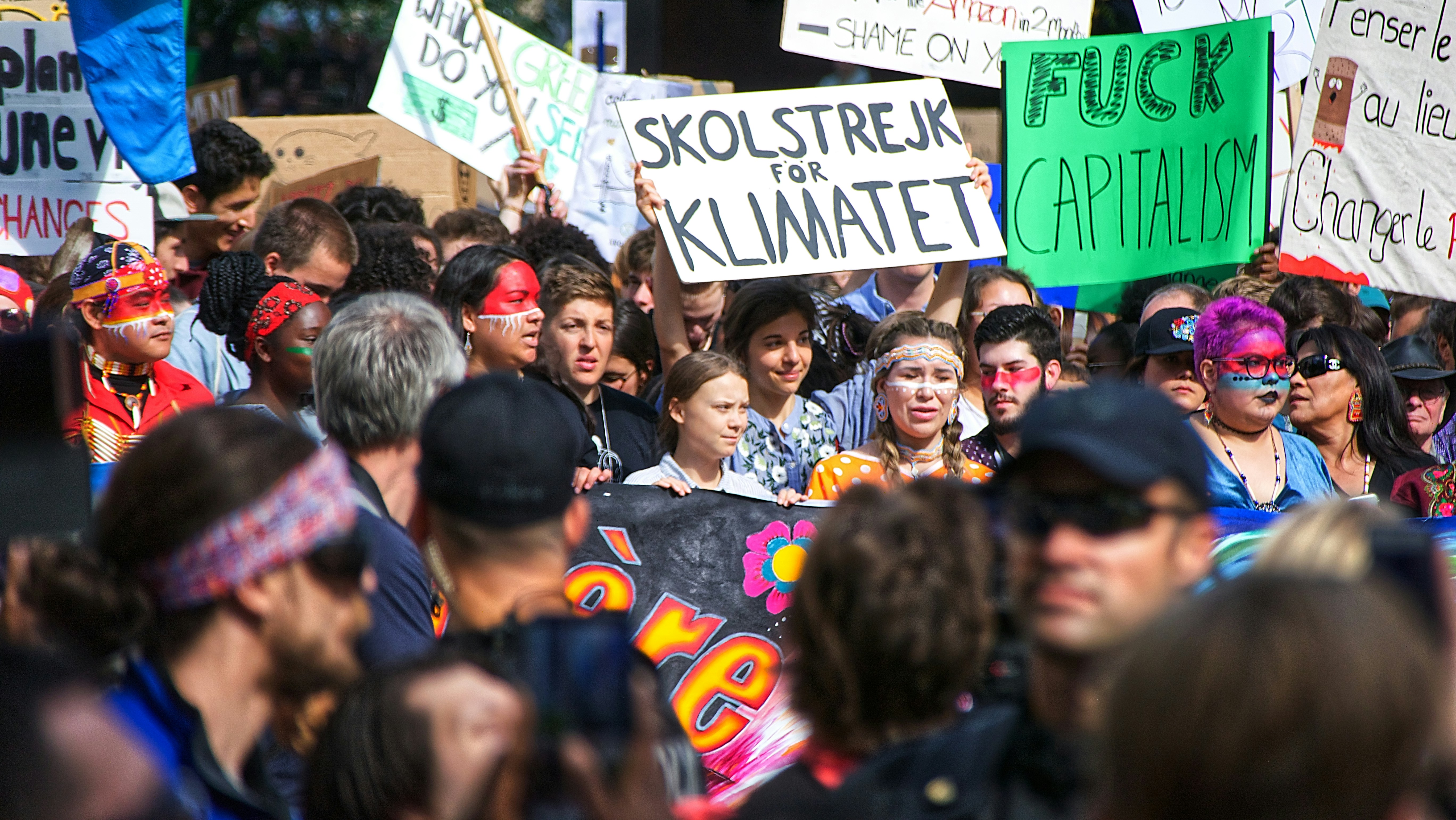
In the past few months, the United States has witnessed a remarkable surge in protests reflecting widespread dissent against the Trump administration’s policies. These demonstrations, held in major cities such as New York, Los Angeles, Chicago, and Washington D.C., are estimated to have drawn over 8 million participants nationwide. This extraordinary turnout not only underscores the depth of public sentiment but also amplifies the voices of those advocating for change.
The protests have been characterized by diverse demographics, with individuals from various backgrounds coming together to express their grievances. The high participation rates indicate a robust engagement of citizens who are concerned about policies impacting immigration, healthcare, educational opportunities, and civil rights. The sheer scale of attendance serves as a crucial barometer for gauging public opinion, suggesting a significant mobilization of dissent against the administration’s directions.
Beyond just numbers, the impact of such a massive turnout is multifaceted. Politically, it challenges the narratives put forth by the administration and signals to lawmakers the urgent need for reform and accountability. Furthermore, the protests have garnered considerable media attention, shedding light on the issues at stake and potentially influencing public discourse. Advocacy groups are leveraging this momentum to push for tangible legislative changes, further highlighting that the protests are not merely symbolic but aim to catalyze actionable outcomes.
Overall, the staggering attendance at protests across the country indicates a critical shift in the political landscape. As more citizens find their voices and stand united against controversial policies, there is a growing realization that collective action has the potential to inspire change. The turnout not only reflects the public sentiment against the current administration but also serves as a powerful assertion of democracy in action.
Key Issues Raised by Protesters
In recent months, massive protests across the United States have highlighted significant concerns regarding the policies instituted by the Trump administration. One of the most contentious issues revolves around immigration policies, which many protesters argue have resulted in undue hardship and suffering for immigrant families. Measures such as family separations and stringent deportation policies have affected communities nationwide, raising moral, ethical, and legal questions among citizens who advocate for more humane treatment of individuals seeking refuge or a better life in the U.S.
Another critical issue that has been prominent in the protests is the ongoing conflict in Iran. The administration’s approach to foreign relations, particularly regarding military interventions and diplomacy, has been met with skepticism by many Americans. Protesters contend that escalating tensions not only endanger lives but also divert valuable resources that could be better utilized for domestic crises. By highlighting potential military actions, demonstrators express their concerns over the implications for peace and security both at home and abroad.
Furthermore, the rising cost of living has become a focal point. As everyday Americans grapple with increasing prices for basic necessities, healthcare, education, and housing, the dissatisfaction towards government policies is palpable. Many protesters argue that economic disparities have worsened, leaving the middle and lower classes struggling to maintain their standards of living. This economic discontent fuels the call for policies that promote affordability and equitable access to essential services. Through their collective voices, protesters are demanding that the administration prioritize these pressing issues, emphasizing that they resonate deeply with the everyday experiences of citizens across the nation.
The Message from Organizers
In recent weeks, the United States has witnessed massive protests against policies enacted by the Trump administration, emanating from a variety of groups with varied concerns. At the heart of these demonstrations lies a unifying message propagated by the rally organizers: a call for collective power and unwavering resistance against what they perceive as increasing tyranny. The rallying cries echo throughout the nation, stressing the importance of unity among diverse demographics, and standing together to safeguard democratic values.
Organizers have articulated that these protests are not merely about dissension but rather an expression of solidarity. They emphasize that the challenges currently facing the populace demand a cohesive response, urging participants from all backgrounds to contribute to the ongoing dialogue about policy reform, civil rights, and social justice. Engaging individuals through powerful speeches, slogans, and inclusive programming, the organizers aim to ensure that everyone feels their voice matters in this essential discourse.
Moreover, many leaders among the organizing bodies have underscored the necessity of non-violent protest as a fundamental pillar of their movement. They remind participants that while feelings of anger and frustration are valid, channeling this energy into constructive action will yield far more significant outcomes. By promoting an ethos of peaceful resistance, organizers reiterate their commitment to maintaining the integrity of their message, highlighting that civil disobedience serves not only as a right but a responsibility of engaged citizens.
In conclusion, the overarching message from the organizers of these protests emphasizes collective strength against perceived oppression and the crucial role of unity in overcoming challenges. As more individuals join the cause, the emphasis remains on fostering an inclusive community ready to pursue equitable changes in their nation.
Government Response to the Protests
The massive protests across the United States against the Trump administration policies have elicited a significant official response from the White House. In recent statements, officials characterized these protests as mere “Trump derangement therapy sessions,” reflecting a dismissive attitude towards the widespread dissent. This characterization suggests a profound underestimation of the issues driving these protests, which include concerns about immigration policies, healthcare access, and social justice. Such statements have implications for how the administration perceives public dissent, potentially marginalizing legitimate grievances raised by protesters.
By labeling dissent as a form of mental therapy rather than a democratic expression of discontent, the administration risks alienating a considerable segment of the population. Many individuals who participate in these protests are motivated by a desire for change and a voice in their governance. Therefore, such remarks can exacerbate divisions within society, reinforcing the view that the current administration is out of touch with the needs and feelings of many American citizens.
This attitude toward dissent not only affects public perception but may also influence policy decisions. The administration’s approach to managing protests may increasingly favor a heavy-handed response rather than productive dialogue. Additionally, it may embolden some supporters to view these protests as illegitimate or extreme, further complicating the socio-political landscape. This response to dissent challenges democratic principles, raising concerns over the administration’s commitment to democratic values and civil rights.
In summary, the portrayal of protests as mere therapy sessions has broad implications for the relationships between the government and citizens. It highlights a significant disconnect that may hinder productive discourse and exacerbate societal tensions moving forward.
Media Coverage and Public Perception
The widespread protests across the United States against the Trump administration’s policies have garnered significant media attention. Coverage of these events varies widely, with different news outlets presenting contrasting narratives. Some media portray the protests as organized movements advocating for civil rights, social justice, and environmental protection, while others emphasize disorder and unrest. This disparity in reporting not only influences public perception but also affects the broader discourse surrounding these issues.
Coverage often highlights key moments, such as clashes with law enforcement or high-profile speeches from prominent activists, emphasizing the emotional and dramatic aspects of the protests. This focus tends to draw in audiences and can incite a variety of reactions, from support to condemnation. The framing of the protests—whether they are portrayed as legitimate expressions of dissent or as disruptive disturbances—plays a crucial role in shaping how the public perceives both the movement and the government response.
In recent years, social media has emerged as a significant platform for the dissemination of protest narratives. Activists utilize platforms like Twitter, Facebook, and Instagram to share real-time updates, images, and videos from the ground, providing an unfiltered view of the protests. This immediate access to information empowers individuals to engage with the content, allowing for a diverse array of voices and opinions to shape the narrative surrounding the demonstrations. Furthermore, the viral nature of social media can amplify the reach of protest movements, creating a ripple effect that encourages more people to join or support the cause.
Overall, the intersection of traditional media coverage and social media dynamics significantly influences public perception of the protests against the Trump administration. As narratives shift and evolve, so too does the public’s understanding of the issues at stake, ultimately impacting the broader political landscape in the United States.
Historical Context of Anti-Government Protests in America
Anti-government protests have a storied history in the United States, reflecting the public’s response to government policies and actions perceived as unjust. This history dates back to the colonial era when dissent against British rule culminated in the American Revolution. Early protests, such as the Boston Tea Party in 1773, showcased the colonists’ widespread dissatisfaction with taxation without representation, a theme that would re-emerge in various forms throughout American history.
During the 19th century, significant anti-government sentiment was fueled by issues such as slavery and westward expansion. The abolition movement, for instance, saw individuals and groups actively challenging government complicity in the institution of slavery. This active resistance laid the groundwork for broader struggles for civil rights in the 20th century. The civil rights movement of the 1960s manifested as mass protests against systemic racial discrimination, reminding citizens that activism could lead to substantial policy changes and social reform.
Fast forward to the present, contemporary protests against the Trump administration’s policies have drawn on this historical lineage. Demonstrations against immigration policies, healthcare reform, and environmental regulations have all highlighted citizens’ dissatisfaction with perceived governmental overreach and neglect. Just as past movements fostered political engagement, today’s protests serve a dual purpose: voicing dissent and galvanizing collective action among diverse populations.
This historical backdrop underscores the cyclical nature of American dissent, where each wave of protest informs and inspires subsequent generations. Each movement not only addresses the immediate issues at hand but also contributes to a broader dialogue about the role of government and the responsibilities of citizens. As Americans continue to participate in protests against the Trump administration, they are also participating in a long-standing tradition of using their voices to demand accountability and change.
Next Steps for the Movement
The recent massive protests across the United States against the Trump administration’s policies have mobilized significant public outcry and engagement. To ensure that the momentum from the No Kings rallies and other related initiatives does not dwindle, organizers are strategizing on a variety of next steps that focus on sustaining public interest and mobilization.
One critical aspect of this future mobilization strategy is community engagement. Local leaders and organizers are tasked with strengthening grassroots connections, which can help in identifying ongoing issues that resonate with constituents. By fostering these relationships, the movement can effectively tailor its messages to reflect community-specific concerns, thus enhancing participation rates in rallies and events.
Additionally, leveraging digital platforms remains a priority. Social media has proven instrumental in gathering crowds and disseminating information almost instantaneously. Future actions may involve coordinated online campaigns that encourage supporters to share personal experiences related to the policies being protested. This strategy not only amplifies voices but also creates a compelling narrative that resonates beyond traditional media outlets.
In parallel, the movement seeks to establish partnerships with other organizations that share similar interests and goals. Collaboration can yield a greater collective impact, allowing for resource sharing and joint events that attract wider audiences. Such strategic alliances are crucial for maintaining a united front against policies deemed harmful by the movement.
In conclusion, as the No Kings rallies transition into their next phases, their success will pivot on effective community engagement, robust online activities, and alliances with like-minded groups. These steps are essential for ensuring that the protest movement continues to flourish in the pursuit of its objectives.
Conclusion: The Future of American Protest Movements
The recent wave of protests across the United States against the policies of the Trump administration has underscored the critical role of civic engagement in American democracy. These demonstrations have not only highlighted the voices of dissent but have also reaffirmed the constitutional right to assemble and express grievances. As the nation grapples with issues such as social justice, immigration, and environmental policy, the mobilization of citizens serves as a reminder of the perpetual struggle for justice and equality.
The significance of these protests extends beyond immediate political response; they illuminate the evolving landscape of American activism. Movements are increasingly utilizing technology and social media to organize and spread their messages, engaging a diverse demographic that spans across age, race, and socioeconomic status. This transformation reflects a broader shift in how citizens can influence policy and encourage dialogue around contentious issues.
Looking ahead, the future of American protest movements appears dynamic and resilient. The willingness of individuals to stand against perceived injustice signifies a robust engagement in the democratic process. While the outcomes of these protests may vary, the desire for change and the demand for accountability will likely continue to resonate throughout society. Moreover, the importance of intersectionality within these movements suggests that collective efforts will encompass a wide array of issues, fostering solidarity across different groups striving for a common goal.
In conclusion, the protests against the Trump administration serve as a vital chapter in the ongoing narrative of American democracy. They remind us that the fight for justice is far from over and that citizen participation remains a fundamental pillar of a thriving democratic society. As such, it is crucial that future movements build on the lessons learned from recent events, ensuring that the pursuit of equality and justice remains at the forefront of American discourse.

The PakSoil News Team is a dedicated group of journalists, editors, and analysts committed to delivering accurate, timely, and balanced news coverage. From politics and business to culture and community, we bring you stories that matter — verified, unbiased, and written with integrity.